
Gatherings & catering
Content updated
On this page
- Inventory the kitchen before accepting contributions
- Confirm the turkey's delivery condition
- Allocate oven and fridge space together
- Match the sides to the main, not to spare enthusiasm
- Give contributors a brief they can answer
- Schedule service around equipment handovers
- Choose a lower-equipment meal when the plan does not fit
- Questions & answers
- Sources & supported claims
Christmas potluck oven planning: reserve space before the turkey
Christmas potluck oven planning starts by reserving equipment, not choosing more dishes. In a rented Hong Kong flat with one oven, first establish whether the delivered main needs that oven at all. Then accept homemade sides only when each has a workable arrival, storage and finishing arrangement. A turkey, potato bake and vegetable tart cannot all have an unconfirmed final slot. Keep the main meal simple enough to serve without asking guests to wait while the kitchen catches up.
Measure the usable kitchen space, obtain instructions for the actual delivered food, and assign every dish one finishing method and one responsible person. Protect fridge capacity as carefully as oven capacity. If the plan relies on several trays being hot together, change the menu before confirming contributions. A smaller selection served properly is more useful than a festive spread competing for the same shelf.
Inventory the kitchen before accepting contributions
Usable space matters more than the appliance count
Open the oven while it is cold and measure its usable width, depth and height. Include the tray's rim and handles, not just the food inside. A large turkey container may fit across the cavity but leave no room for another shelf. Ask contributors for container dimensions or a photograph beside a ruler. Check that the door closes properly and the arrangement follows the appliance manual; a tray that physically fits is not automatically suitable for cooking there.
List the other equipment you actually have and know how to use. A microwave might finish a compatible side, but its small turntable could rule out a family casserole. One hob ring may already belong to gravy, leaving little room for another saucepan. Check the controls on an unfamiliar rental oven before the gathering. Do not introduce a borrowed appliance on the day without knowing its instructions, suitable working position and permitted electrical connection.
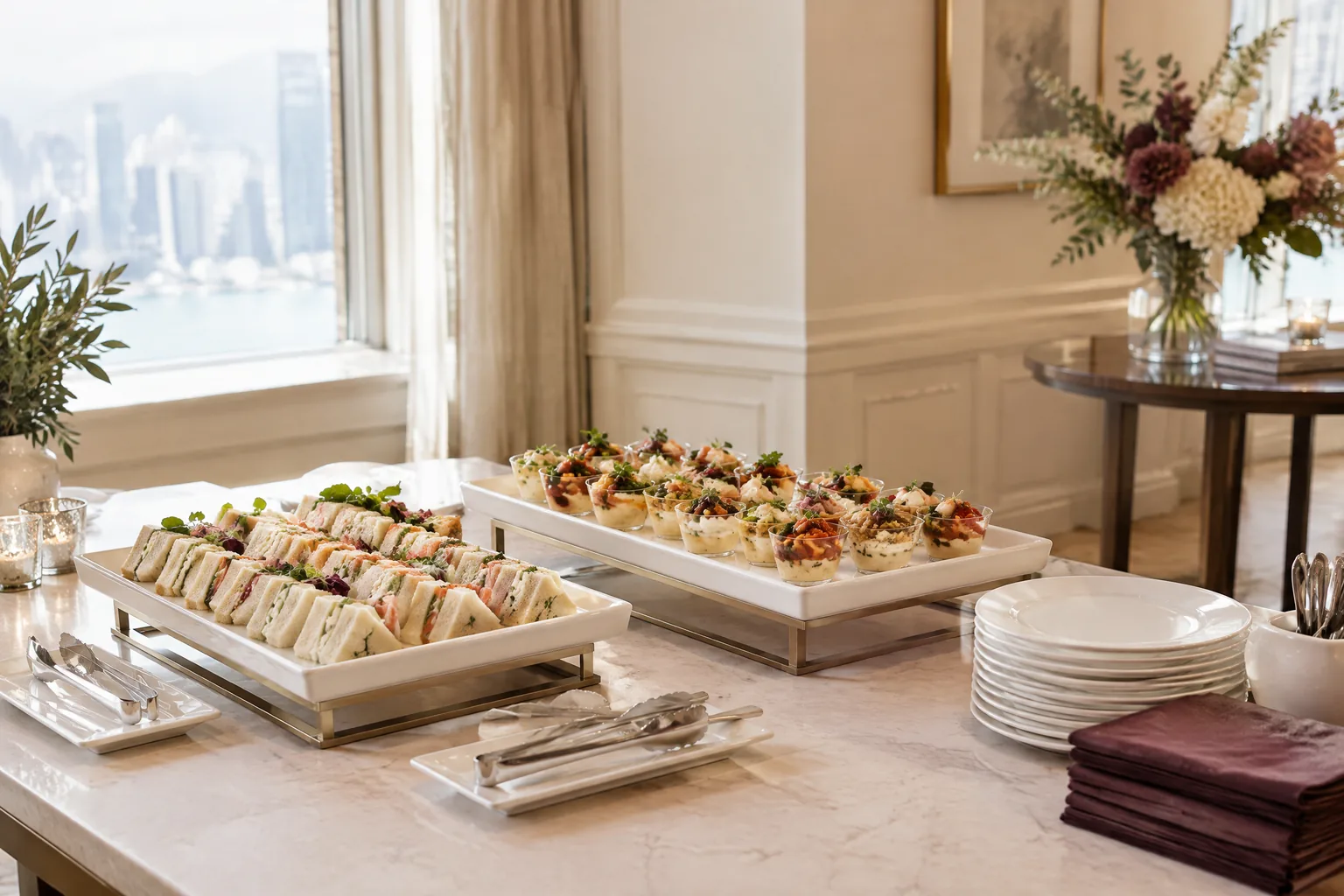
Reserve a clear surface for receiving deliveries and another for transferring or carving food. In a compact kitchen these may be the same surface at different times, so record that dependency. Keep the sink accessible for handwashing rather than filling it with spare serving bowls. Put drinks, coats and gift exchanges outside the kitchen. Guests need somewhere to set down their contribution without balancing a hot dish beside an open oven door.
Confirm the turkey's delivery condition
Cooked does not necessarily mean ready for immediate service
Before paying for a main dish, ask how it will arrive and what must happen next. Is it intended for immediate service, or supplied chilled with reheating instructions? Will it arrive whole or portioned? Who removes packaging and prepares it for the table? Get answers for the actual order rather than interpreting a photograph. A fully cooked product may still require a particular storage or reheating arrangement, and those requirements decide whether homemade oven sides are practical.
Use Christmas Roast Turkey Delivery as a starting point for a turkey enquiry, with your oven measurements ready. Ask for the dimensions of the food and its container, the permitted reheating method, any packaging that must be removed, and written storage instructions. Also establish whether sauces arrive separately and how they should be handled. These questions do not assume a particular size, arrival temperature or included carving service; they help you decide whether the proposed order fits your kitchen.
Resolve unclear instructions before booking, not after guests arrive. If the merchant specifies an oven method that occupies the whole cavity, reserve that capacity for the main and choose sides using other equipment. If the main can be served on arrival under the confirmed instructions, the oven may instead belong to one homemade dish. Do not invent a generic reheating duration from the turkey's weight or use another supplier's directions for this order.
Allocate oven and fridge space together
Every waiting dish needs a suitable place
Draw a simple shelf plan for the fridge as well as the oven. A chilled main can take the space you expected to use for salad and dessert. Measure the packed containers and reserve room before buying drinks in bulk. Store drinks elsewhere only where their own instructions permit it; that does not make a balcony suitable food refrigeration. Plan covered storage for ready-to-eat dishes and keep them separate from any raw ingredients remaining in the fridge.
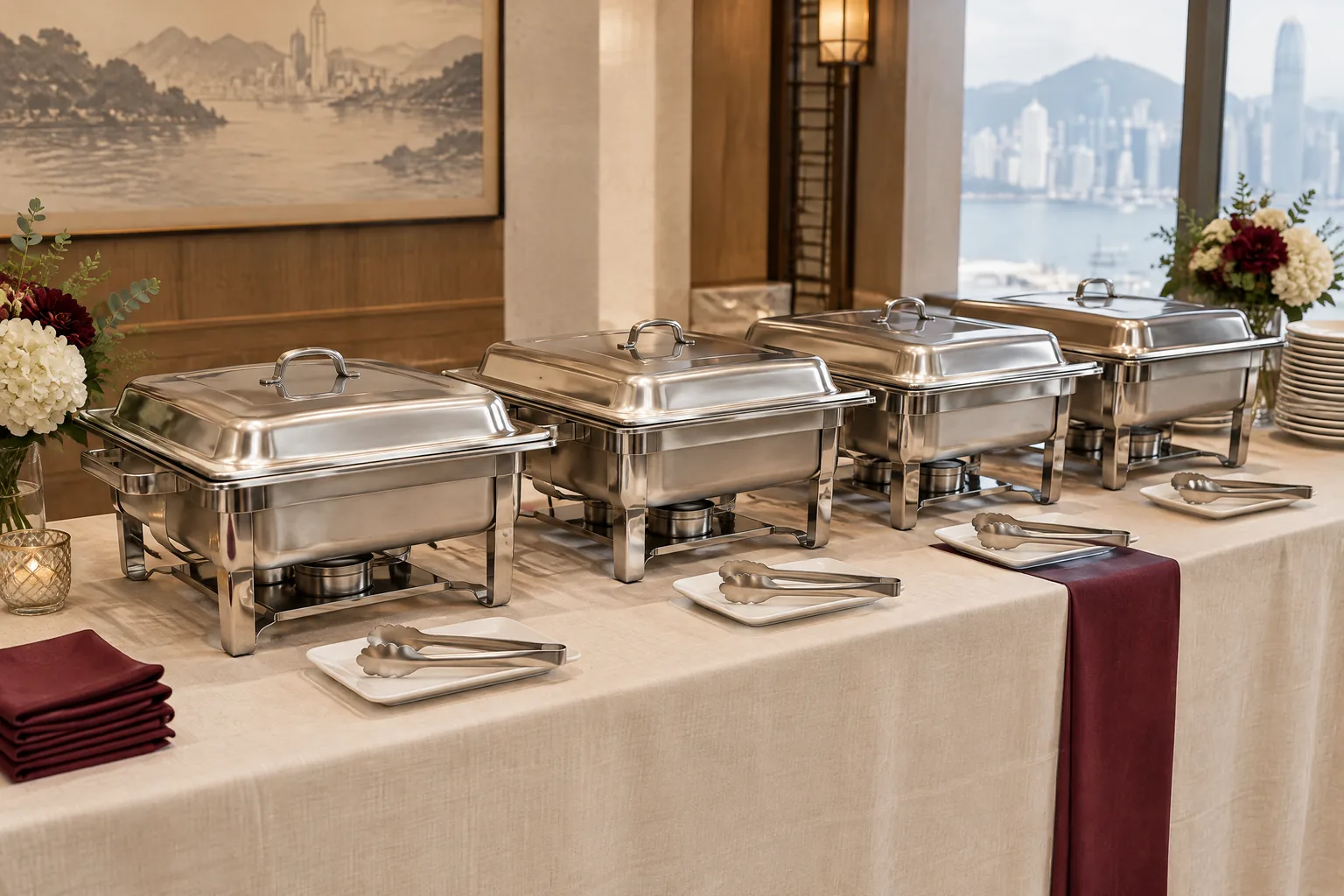
The Centre for Food Safety's buffet guidance gives concrete temperature controls: keep hot food at 60°C or above and cold food at 4°C or below. For food that needs reheating, it specifies reaching a core temperature of 75°C or above as fast as possible. Those are temperatures of the food, not settings to copy onto an oven dial. Follow the dish's instructions and use an appropriate food thermometer to check reheating rather than relying only on a browned surface.[1]
Give the oven one lead dish during the final preparation period. A second dish can share it only when both instructions and the appliance allow the same method, temperature and arrangement. Otherwise, assign separate periods that include loading, unloading and any required temperature change. Keep chilled dishes in their allocated storage until needed. The decision table below is a planning aid, not a substitute for the actual product instructions or a promise that all alternatives will suit your food.
| Dish or condition | Capacity to reserve | Decision before accepting |
|---|---|---|
| Main supplied chilled for oven reheating | Fridge space and the required oven arrangement | Obtain container dimensions and the actual reheating instructions |
| Main intended for immediate service | Receiving and serving surfaces; any specified holding provision | Confirm the arrival condition and how it should be served |
| Homemade baked side | A compatible oven period and safe waiting arrangement | Decline or change the contribution if it conflicts with the main |
| Side with an approved hob or microwave method | Suitable cookware and a named appliance slot | Check dish instructions and container compatibility |
| Chilled salad or dessert | Measured fridge space until service | Do not treat a cold side as storage-free |
Match the sides to the main, not to spare enthusiasm
Build a complete plate without duplicate oven work
Choose the roles you need before choosing recipes. For a turkey meal, one substantial starch and one vegetable dish may cover the essential sides, with a separately handled salad offering another texture. Check what accompanies the ordered main before inviting extra gravy, stuffing or potatoes. If three guests want to bring baked dishes, accept one for the oven and discuss different contributions with the others. Their effort is better appreciated when their dishes can actually be served as intended.
When browsing Western Catering, compare possible sides by their finishing and serving requirements, not only their menu names. Ask which proposed dishes require local reheating, what containers they arrive in and whether your available method is suitable. Pasta, rice or vegetables are not automatically equipment-free simply because they accompany a main. Use the information to avoid ordering a hot side that duplicates a guest's contribution or creates a second demand for the oven.
Keep a guest's dietary requirement separate from the shared side-dish count. A vegetable side may not be a satisfying main meal for someone who does not eat turkey. Confirm the ingredients and handling arrangements with that guest and the person preparing their food. Labels such as vegetarian or gluten-free do not, by themselves, establish certification or absence of allergens. If the separate dish needs exclusive equipment or utensils, allocate them explicitly rather than promising the kitchen can improvise.

Give contributors a brief they can answer
Accept a dish only with its arrival and finishing plan
Ask each contributor for the dish name, intended servings, container dimensions and expected arrival condition. They should also say what remains to be done at your flat, which appliance they need, and whether they are bringing a serving utensil. A message saying 'I'll bring vegetables' leaves too much unresolved. 'I can bring a chilled salad in this covered box and need fridge space until dinner' gives you a decision you can make before the menu becomes crowded.
Send an agreed arrival window and state any equipment limit politely. For example, explain that the oven is reserved for the main, so the contribution needs another confirmed finishing method. Avoid telling someone to cook unusually early or leave food unrefrigerated just to free your oven. Their preparation and journey need an appropriate temperature-control plan too. If they cannot meet the brief, offer a different role such as bringing serving utensils or a contribution that does not require your kitchen.
Keep one shared menu message, but ask guests to flag changes directly to the host. A surprise dessert may require the last fridge shelf, while an extra bake may need a slot that no longer exists. Confirm the plan again when contributions are settled and name the person who will finish each dish. Help is welcome, but four people opening the oven and changing its controls will make the schedule harder to follow.
Schedule service around equipment handovers
Work backwards from eating time, then protect the gaps
Choose the time you intend to serve the main, then work backwards using the confirmed instructions for each dish. Record preparation, preheating where needed, appliance occupation and transfer to serving dishes as separate tasks. Allow a practical gap between jobs instead of assuming a tray leaves at exactly the moment the next one enters. Check that the person collecting the delivery is not also the only person supervising a side at a critical point in its preparation.
Delivery time is not enough information to justify leaving food waiting. In its Food Safety Day 2024 advice, the Food and Environmental Hygiene Department says both the public and industry should pay attention to delivery time and temperature control for delivered food. It identifies 4°C to 60°C as the temperature danger zone where bacteria can multiply quickly. Ask contributors about their handling before arrival as well; the host's dinner schedule cannot establish how food was kept during the journey.[2]
On arrival, compare the delivered items and their condition with the agreed order and instructions before incorporating them into the schedule. If something is different, contact the merchant promptly and do not solve the uncertainty with a guessed warming time. When a guest is delayed, do not hold all the other prepared food indefinitely for their contribution. Start with dishes that can be served under their instructions, or change the meal order while maintaining the necessary temperature controls.

Choose a lower-equipment meal when the plan does not fit
Reduce simultaneous hot dishes, not the clarity of the plan
If the final schedule still needs several oven dishes at once, remove a finishing task. Keep the delivered main and one suitable homemade hot side, then replace another bake with a contribution whose storage and serving needs you can meet. Alternatively, ask about a different main format that better suits your equipment. Portioning may change the tray arrangement, but do not assume it changes the required method or removes the need for temperature control.
An enquiry through Christmas Party Catering can focus on a menu that fits your flat rather than the largest festive package. Explain the guest count, the single oven, the available fridge space and the homemade dishes already promised. Ask for a proposed menu with item-by-item storage and finishing requirements. Confirm current choices and order terms directly; a seasonal page is not confirmation that your preferred format, delivery slot or equipment arrangement is available.
Plan the serving table in small batches rather than putting every container out together. The Centre for Food Safety's buffet guidance recommends small display portions and advises against topping up a displayed batch with a fresh one or keeping buffet leftovers. Use a fresh serving dish when replenishing and distinguish untouched food kept under appropriate temperature control from food already on display. Clear the table promptly; a long conversation after dinner should not turn into an unplanned second buffet.[3]
| Conflict | Useful change | Avoid |
|---|---|---|
| Main and guest bake both need the full oven | Keep one; agree a different contribution for the other | Guessing a shared temperature |
| Fridge cannot hold the main and desserts | Reduce chilled items or confirm a different feasible menu | Using outdoor weather as refrigeration |
| Several guests need final cooking after arrival | Accept fewer unfinished dishes and assign responsibilities | Leaving everyone to negotiate at the oven |
| Delivery condition differs from the agreement | Seek item-specific advice from the merchant | Inventing a reheating duration |

- Measure usable oven space and confirm the main's food and container dimensions.
- Obtain the delivered main's actual arrival, storage and reheating instructions.
- Reserve fridge shelves for the main, chilled sides and dessert before buying extra drinks.
- Give each contribution a finishing method, appliance slot and responsible person.
- Confirm dietary ingredients and handling needs without making allergen-free assumptions.
- Keep a clear receiving surface and protect the gaps between equipment handovers.
- Choose a simpler menu if any accepted dish still lacks a workable arrangement.
Reserve the kitchen before reserving the turkey. A workable potluck gives the main a confirmed handling plan and gives every guest contribution somewhere suitable to wait and a clear route to the table. When those arrangements clash, change a dish rather than inventing reheating shortcuts. The aim is a meal you can serve comfortably in the flat you have, not a menu that requires another oven.
Can a delivered turkey and a potato bake share the oven?
Only if their actual instructions and your appliance permit a compatible arrangement. Check tray size, method and temperature requirements rather than assuming that two cooked dishes can be warmed together. If either needs the whole cavity or a different setting, reserve separate periods or change the side. Do not use sharing as a reason to shorten required reheating.
Should I ask every guest to bring their dish already hot?
Not as a blanket rule. Guests need a workable preparation and transport plan, while you need to know how each dish should be held or served after arrival. Some contributions may be better supplied chilled with a confirmed finishing method. Ask for the arrival condition first, then accept only what your kitchen can handle.
Does a cold salad solve the oven problem?
It removes an oven task but creates a fridge and serving task. Ask about the container size, transport arrangement and chilled storage requirement. Reserve its shelf before accepting it, and bring out an appropriate serving quantity near the meal. Do not leave it on the table early simply because it will be eaten cold.
Can I use an air fryer instead of changing the menu?
Only for a dish whose instructions and container are suitable for that appliance. Capacity may require several batches, which can recreate the scheduling problem. Check the manual and permitted setup in the flat. If the plan depends on an unfamiliar borrowed appliance, a simpler contribution is usually a clearer decision than last-minute experimentation.
What should I do if the delivered main has no clear reheating instructions?
Ask the merchant for instructions specific to the item and how it has been supplied. Resolve this before the gathering wherever possible. Do not copy a recipe for cooking a raw turkey or directions from another brand. If the required handling remains unclear, do not promise guests that your oven can make the order ready on schedule.
Before confirming the menu, send the merchant your oven measurements and ask for item-specific arrival and handling instructions. Then share the agreed equipment limits with contributors and confirm only dishes that fit.
Sources & supported claims
- Centre for Food Safety — Keeping Your Buffet Safe
Buffet guidance specifies hot holding at 60°C or above, cold storage at 4°C or below and reheating to a core temperature of 75°C or above as fast as possible.
- FEHD — Food Safety Day 2024 reminds public to keep food at safe temperatures
The public and industry should pay attention to delivery time and temperature control for delivered food; 4°C to 60°C is the danger zone where bacteria can multiply quickly.
- Centre for Food Safety — Keeping Your Buffet Safe
Display food in small portions, avoid topping up a displayed batch with a fresh one and do not keep buffet leftovers.