Gatherings & catering
Content updated
On this page
- Identify in-room and remote recipients
- Set a meeting tea-break brief
- Separate gift sets from refreshments
- Approve the corporate gift policy
- Collect addresses only after explaining the choice
- Schedule dispatch independently of the call
- Offer an opt-out or non-food gesture
- Questions & answers
- Sources & supported claims
A hybrid Mid-Autumn meeting: keep tea breaks and gifts separate
For a hybrid Mid-Autumn meeting, order office refreshments for the people who will eat in the room and plan festival gifts from a separate, approved recipient list. Remote colleagues can join the conversation without receiving a snack box at the exact moment the office opens theirs. Offer an optional gift arrangement, explain any address collection before asking for details, and give each order its own owner. This makes inclusion a feature of the meeting rather than a test of whether everyone has the same food on camera.
The tea break and the gift programme have different deadlines and different definitions of completion. Refreshments need a confirmed diner count, a serving window and someone to receive them. Gifts need an allocation rule, a recipient choice and a checked handover or dispatch record. Keep the two budgets visible even if one supplier discusses both. A delayed parcel should not derail the call, and an office attendee should not lose a staff gift merely because they already had tea.
Identify in-room and remote recipients
Meeting attendance is not a gift entitlement list
Begin with two questions, not one headcount: who is attending in person, and who is eligible for the festival gesture? A colleague joining online may belong on the gift list but not the office food order. A visiting consultant may need refreshments without being covered by the employee gift policy. Confirm these categories before requesting quotations. Otherwise, the easiest number to copy, usually the meeting invitation total, quietly becomes the wrong quantity for both purchases.
Use a simple attendance response that distinguishes office attendance from online participation. Ask about the tea break only where it affects the catering count. Keep the gift response separate so colleagues can choose collection, request another available arrangement or decline. Someone may change their meeting location after the food deadline; that change should not automatically cancel a gift. Conversely, accepting a gift should not imply a commitment to appear at the office.
As a planning example, imagine a team where some members work from home and others rotate between two offices. Mark one fulfilment choice against each eligible person, rather than adding their name to every branch list. Use an internal reference to reconcile choices without showing home details to the meeting host. Nominate one person to resolve duplicate selections privately. This is especially useful when a colleague attends the call from one branch but normally collects items at another.
| Decision | Office tea break | Staff festival gift |
|---|---|---|
| Quantity basis | Confirmed in-room diners | Eligible recipients who select an approved option |
| Order unit | Confirmed servings or individual boxes | Sets, with contents and outer cartons distinguished |
| Owner | Office organiser and receiving contact | Gift programme owner and restricted fulfilment contact |
| Timing | Agreed receiving and serving window | Confirmed collection or dispatch window, separate from the call |
| Close-out evidence | Refreshments checked and served | Recipient collection or delivery outcome reconciled |
Set a meeting tea-break brief
Give the caterer a serving problem, not a gifting problem
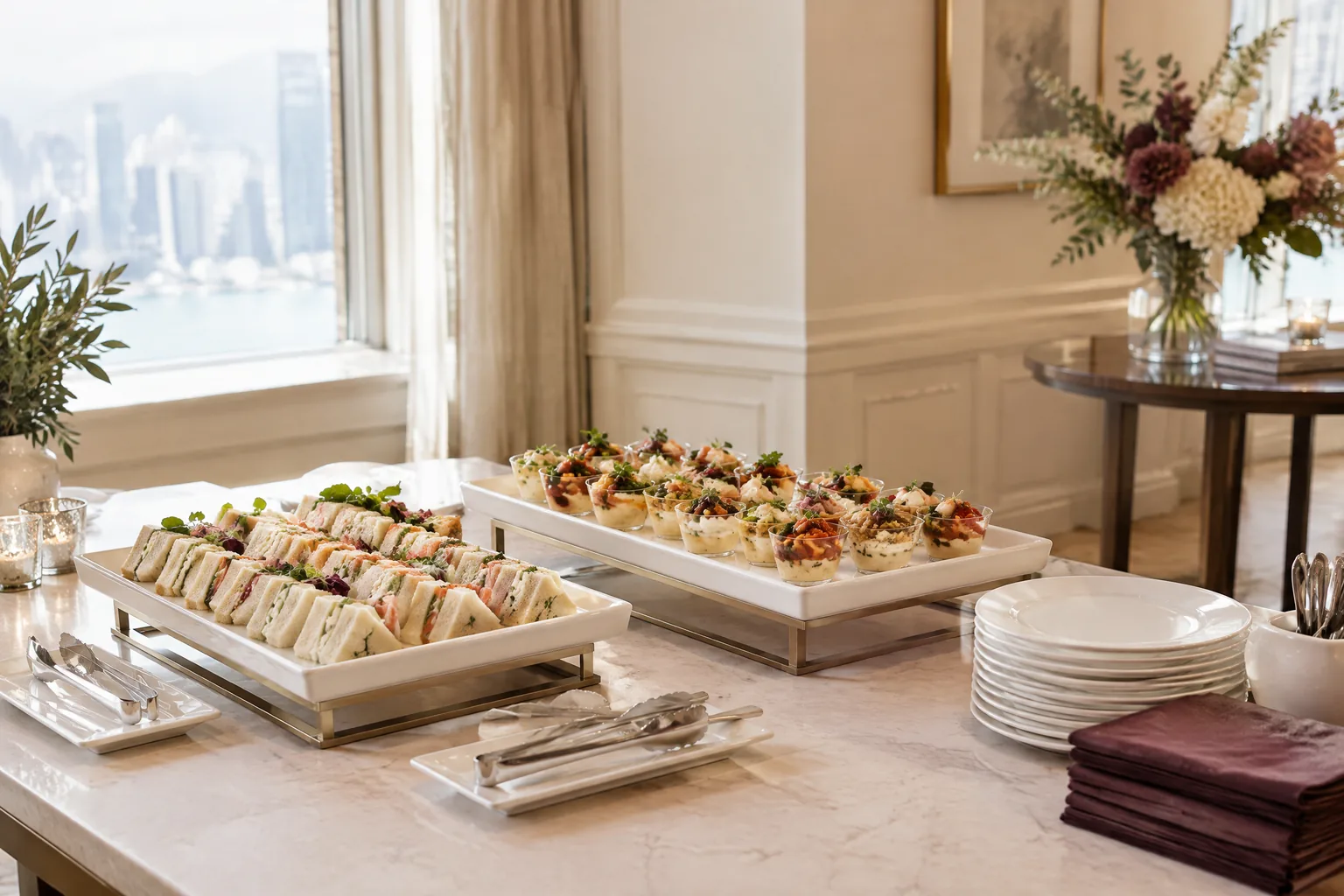
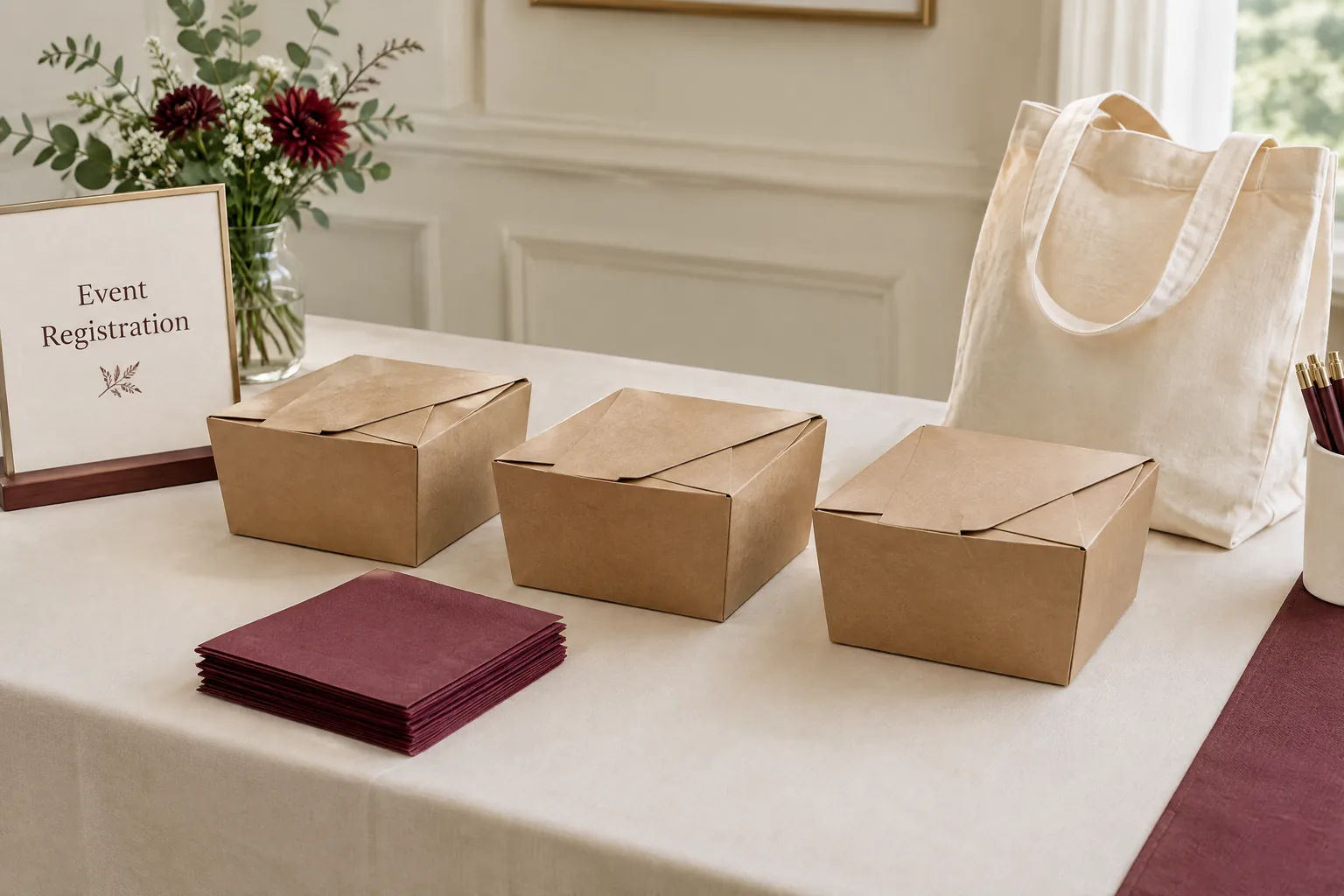
Write the tea-break brief around the room: confirmed diners, a short serving period, the space available for opening boxes and whether drinks are already provided. Afternoon Tea Box Catering is a relevant enquiry starting point because YumYum’s page describes individual refreshments for meetings and tea breaks. Ask for the current contents, portion format, utensils and receiving arrangements. Do not assume that a boxed format includes everything needed at the table or that it can be redirected to individual homes.
Give the office receiver enough time to check the order before the break, with a realistic handover window agreed with the supplier. Explain any building access requirement and where the food will be held before serving. If the room has no suitable storage, change the arrangement rather than treating early arrival as automatically helpful. Allocate a place for empty packaging away from microphones, cables and laptops so clearing does not interrupt the discussion.
Keep the remote experience modest and intentional. Tell online participants that the break is a chance to step away and bring their own drink if they wish. If the company wants to fund remote refreshments, approve a separate method and spending rule instead of promising identical delivery. Resume with a clear time shown in the invitation. Let remote colleagues contribute before the office breaks into table conversation, and avoid requiring anyone to eat or open a box on camera.
Separate gift sets from refreshments
An unopened staff gift should stay allocated to its recipient
Decide what the gift is meant to do before choosing packaging. A take-home gesture belongs to an individual; food opened for a shared break belongs to the event. Mooncake Gift Sets appears on YumYum’s Mid-Autumn page as a seasonal gift category, so use that destination to begin a discussion about the current options. Confirm the number of sets and the contents per set separately. A box, an individual mooncake and an outer carton are not interchangeable counting units.
Protect the gift allocation physically as well as on the spreadsheet. Keep labelled, unopened sets away from the refreshment table and identify any stock specifically approved for sharing. If someone asks to cut a gift set because the meeting has run out of snacks, the host should know which owner can decide. Taking a box from a remote colleague’s allocation creates a replacement task that may be difficult to notice until collection or dispatch begins.
For office colleagues, arrange gift collection before or after the call rather than during a presentation. Check the recipient against the gift register, not the tea attendance sheet. Decide whether an authorised colleague can collect on someone’s behalf and how that handover will be recorded. Keep the process discreet: a public pile of named boxes can reveal who is eligible, absent or receiving a different option. A staffed collection point is often easier to manage than gifts spread around meeting seats.
Approve the corporate gift policy
Resolve eligibility and exceptions before inviting choices
Get the budget owner to approve who receives the gesture and how alternatives will be handled. Corporate Mooncake Orders shares the same YumYum Mid-Autumn destination as the gift-set category; it is not evidence of a separate ordering system. Frame the company enquiry around approved quantities, any card requirements, proposed handover points and the decisions still outstanding. Ask for a written proposal that distinguishes the gift order from refreshments, even if both are discussed with the same contact.
Set a fair rule for colleagues on leave, new joiners and staff who cannot visit the office. Fair does not have to mean identical packaging or arrival on the same day. It should mean the company can explain its approach consistently and offer a workable choice within the approved programme. Do not let remote colleagues become an afterthought funded only from unclaimed office boxes. Reserve their allocations once the choice deadline has passed, subject to the agreed order arrangements.
Give any exception a named decision-maker. An overseas employee, a temporary address or a request for a non-food option may need a different solution. Do not promise international dispatch without checking the supplier’s scope, the carrier’s acceptance rules and relevant destination requirements. Finance should also decide how any approved reimbursement is documented. Keep personal reasons out of the budget report; the approver normally needs the selected option and amount, not a colleague’s explanation for declining food.

Collect addresses only after explaining the choice
A festival parcel should not require public disclosure
The Hong Kong Privacy Commissioner’s guidance says personal data collected should be necessary and adequate but not excessive for its purpose. For direct collection, people should be told whether supply is obligatory or voluntary, the intended use, classes of recipients of the data, and how to request access or correction. Apply this to the optional delivery response before collecting an address. Explain who will handle fulfilment and give a private correction contact. Do not put a home-address column in a team-visible attendance sheet.[1]
Where an approved home-delivery option exists, collect only the details actually needed for that arrangement. Confirm with the fulfiller whether a contact number is required and how delivery instructions will be used. Do not request identity documents or unrelated household details simply because a form has spare fields. Avoid copying addresses from personnel records without checking whether that use is appropriate. Let the colleague submit a preferred permitted receiving address, or choose collection, without having to justify where they live.
Restrict the address file to people who need it and send only the relevant fulfilment details to the appointed provider. The Privacy Commissioner’s guidance also requires practicable data-security measures and retention no longer than necessary, including contractual or other safeguards when a processor is engaged. Agree how corrections, failed deliveries and deletion will be handled. Set a review point after outstanding deliveries are resolved; retain necessary financial evidence separately rather than keeping every home address in a festival archive.[2]

Schedule dispatch independently of the call
Receiving a gift and joining the meeting are separate events
Work backwards from recipient availability and the chosen product’s handling instructions, not from the moment the office plans to take a photograph. Give colleagues an honest expected fulfilment window only after it is confirmed. If gifts cannot reasonably reach everyone before the call, say that the meeting and gift arrangements run separately. Ask the supplier what happens when no one can receive an item and who authorises a second attempt. A tracking update is not the same as a confirmed recipient handover.
Storage needs can change the choice of gift. Hong Kong’s Centre for Food Safety advises keeping snowy mooncakes in a chiller at 4°C or below and ice-cream mooncakes in a freezer at −18°C or below. This does not establish the handling of any particular supplier’s product. Check the selected item’s label and ask how its storage requirements will be maintained through the proposed journey. If the recipient cannot receive and store it appropriately, choose another confirmed arrangement rather than leaving it at an unattended desk.[3]
Maintain a gift status record that separates awaiting choice, approved, dispatched, collected and unresolved. The tea-break receiver should close the refreshment task once the office order has been checked and served; they should not sign off all gift deliveries at the same time. For a failed gift handover, contact the colleague privately and follow the agreed exception route. Do not announce names or addresses on the call. Report aggregate progress to the organiser so the event can finish without concealing unresolved parcels.
| Recipient situation | Arrangement to consider | Confirm before offering |
|---|---|---|
| Can visit an office | Separate staffed gift collection | Collection window and proxy-collection rule |
| Works remotely and accepts delivery | Private address submission for an approved delivery option | Service scope, handling needs and failed-handover process |
| Cannot store the chosen chilled item | Different confirmed item or another approved gesture | Label instructions and realistic receiving conditions |
| Declines food or delivery | Opt-out or authorised non-food gesture | Privacy of the choice and no participation penalty |

Offer an opt-out or non-food gesture
Include colleagues without making food acceptance compulsory
Offer the choice before ordering, with wording that makes declining ordinary rather than awkward. A colleague may not celebrate the festival, may already have enough mooncakes or may prefer not to receive food. An approved non-food gesture could be a personal thank-you note or another option the company has actually authorised. Do not suggest that declining a gift affects meeting participation. Keep the response private and avoid asking managers to persuade their teams to accept for the sake of a matching photograph.
For someone who does want food but has dietary requirements, provide a private route to check the proposed item. Ask the supplier about ingredients, allergen information and relevant preparation or cross-contact arrangements, then let the recipient decide. A name such as vegetarian or gluten-free is not, by itself, a certification or an allergen-free guarantee. Do not make the meeting host responsible for interpreting medical needs, and do not disclose a colleague’s dietary explanation on a collection label.
End the meeting with thanks to both the office and remote participants, not a roll call of gift recipients. Send any remaining collection instructions through the appropriate private channel after the call. Once outstanding issues are settled, compare the approved quantities with what was actually served, collected or otherwise fulfilled. Note operational lessons, such as an unsuitable collection window, without preserving personal explanations. Next year’s organiser needs a better schedule and clearer choices, not last year’s home-address list.

- Confirm office diners separately from eligible gift recipients.
- Approve the gift allocation rule, alternatives and exception owner.
- Issue distinct refreshment and gift briefs with clear counting units.
- Explain optional address collection and use a restricted submission route.
- Confirm receiving windows, product storage instructions and failed-handover arrangements.
- Reconcile tea service and gift fulfilment independently, then review retained personal data.
A successful hybrid celebration does not depend on matching boxes appearing on every screen. Give the meeting a considerate break, give eligible colleagues a clear gift choice and give each fulfilment task its own accountable owner. Keep private details out of the shared event record. When attendance, collection preferences or delivery outcomes change, resolve the affected task without rewriting the other one. That is a more practical form of inclusion than trying to make two different orders behave as one.
Must remote colleagues receive tea boxes before the meeting starts?
No. Keep the shared conversation accessible without making food delivery a condition of joining. Tell remote colleagues how the break will work and when discussion resumes. If the company funds their refreshments, approve that arrangement separately and communicate its rules. Festival gifts can follow a different confirmed schedule.
Can the office tea box replace an employee’s mooncake gift?
Only if that is the clearly communicated, approved company policy. Otherwise, refreshments and the staff gesture serve different purposes. Do not remove office attendees from the gift list simply because they ate during the break. Equally, keep boxes reserved for gifts out of the food opened for sharing.
What if someone refuses to provide a home address?
Respect that choice and offer an approved collection or alternative arrangement where available. Explain any genuine limit without requiring a personal justification. The colleague can still join the meeting. Avoid searching personnel records for an address merely to complete the gift list; ask the relevant privacy owner before considering any reuse.
How should we handle a colleague changing office location after orders close?
Treat it as two changes to assess separately. Ask the refreshment owner whether the diner allocation can still be amended under the agreed order terms. Then ask the gift owner about the collection choice. Record any confirmed change once, so the colleague does not receive duplicate gifts or lose their reserved allocation.
Should we wait for every delivery to arrive before holding the call?
Usually the meeting need not depend on parcel completion. Explain that gifts are being fulfilled separately and keep individual updates private. If opening a particular item is essential to a planned activity, redesign that activity or confirm feasibility before announcing it. Never imply that an unconfirmed dispatch date is a guaranteed arrival date.
Before requesting a quotation, prepare separate tea-break and gift briefs. Ask YumYum to confirm current options and feasible fulfilment arrangements, and ask your company’s budget and privacy owners to approve recipient choices and data handling before collecting addresses.
Sources & supported claims
- The Ordinance at a Glance — Privacy Commissioner for Personal Data, Hong Kong
DPP1 requires necessary and adequate but not excessive collection, and direct collection notices explaining voluntary or obligatory supply, purposes, classes of transferees and access/correction rights.
- The Ordinance at a Glance — Privacy Commissioner for Personal Data, Hong Kong
DPP2 requires retention no longer than necessary, and DPP4 requires practicable security measures; contractual or other means are required for the corresponding processor safeguards.
- Mooncakes and Food Safety — Centre for Food Safety, Hong Kong
Snowy mooncakes should be kept in a chiller at 4°C or below and ice-cream mooncakes in a freezer at −18°C or below.