Baking & procurement
Content updated
On this page
- Describe the mood before naming a masterpiece
- Separate a broad idea from a recognisable reproduction
- Keep the source and permission with each reference
- Ask what surface suits the proposed design
- Choose between floral restraint and a painted focal point
- Approve the original sketch alongside the portions
- Agree the fallback before detail becomes impractical
- Questions & answers
- Sources & supported claims
An artistic cake reference brief that avoids copying
An artistic cake reference brief should explain what you love about an artwork without instructing a baker to reproduce it. Describe the atmosphere, colour relationships and amount of decoration, then ask for an original composition suited to the cake. If a particular image must appear, resolve permission before approving its use. For an art enthusiast's birthday in Hong Kong, a cake can feel personal through a restrained palette or an independently drawn botanical motif; it does not need a miniature copy of a favourite painting.
Begin with a few clear preferences and one priority, not a folder of unexplained screenshots. Separate references used to discuss broad ideas from images you want reproduced. Keep the source and any permission beside each image. Then confirm the proposed surface, viewing direction, portions and acceptable simplifications. The useful approval document is an original sketch with written decisions, rather than a promise to make the finished cake identical to a reference photograph.
Describe the mood before naming a masterpiece
Turn a personal response into choices a baker can discuss.
Start with the recipient and the setting. A quiet dinner for an adult who enjoys botanical drawing calls for a different emphasis from a lively gallery-themed gathering. Choose a few ordinary words, such as calm, airy and slightly irregular, and explain what each means to you. Airy might mean plenty of undecorated space, not a pale version of a crowded design. This gives the baker a direction without asking them to imitate a named artist's recognisable work.
Translate the mood into visible decisions. Instead of saying 'make it like this painting', try 'an ivory background, muted blue and soft green, with one loose branch on the front'. Say which colour should dominate and which should remain a small accent. You can also describe line weight, whether edges should look crisp or diffuse, and how much of the cake should stay plain. Keep these as preferences for discussion rather than specifications for an untested technique.
Add one sentence about what matters most. Perhaps the recipient loves the feeling of an open sketchbook, while the exact flower species is unimportant. Also name a genuine dislike, such as a dark border or dense decoration around the entire cake. A clear priority and exclusion are more useful than twenty images suggesting incompatible finishes. If two people are organising the surprise, agree these points before either sends instructions to the bakery.
Separate a broad idea from a recognisable reproduction
Changing the medium is not a substitute for resolving rights.
Hong Kong's Intellectual Property Department explains that copyright protects the expression of ideas rather than ideas themselves. Its guidance also identifies paintings, drawings and photographs as types of protected work. For your brief, discuss broad qualities such as a limited palette or an asymmetrical arrangement, then ask the baker to develop a new design. Do not assume that translating a particular picture into icing automatically makes its use unrestricted.[1]
Avoid treating the issue as a percentage exercise. The department states that taking a substantial part is assessed by quality rather than quantity. Removing a background, reversing an image or changing a few colours is therefore not a reliable clearance method. If your instructions still depend on retaining a distinctive figure, arrangement or central detail from a particular work, pause and discuss permission or a genuinely different direction. A baker's willingness to attempt it is not legal clearance.[2]
Use a simple test during the conversation: can you explain the desired cake without asking anyone to recognise the source work? 'Three independently drawn meadow stems, loosely spaced' gives room for invention. 'The same stems in the same positions, but on a round cake' does not express that intention. This is a practical briefing check, not a legal test. Where a specific reproduction is essential, obtain advice or suitable authorisation rather than relying on the wording 'inspired by'.
Keep the source and permission with each reference
A saved screenshot does not explain what use is allowed.
WIPO's copyright guidance warns that publishing work online, including on social media, does not put it in the public domain. It explains that use generally needs authorisation unless a suitable licence or applicable exception covers it. When an image matters to your design, keep its original page link and creator information rather than forwarding an anonymous repost. A watermark-free download or an image-search result is not a permission record.[3]
For a reproduction request, identify the rights holder and describe the proposed use clearly. Ask whether permission covers a commercially supplied cake, the intended number of cakes and any photographs planned for public promotion. Keep the reply and its conditions with the order correspondence. If a licence is offered, read its actual scope instead of assuming that personal enjoyment, commercial production and promotional publication mean the same thing. Ask a qualified adviser if the wording is unclear.
Do not label an old-looking painting 'public domain' from its appearance alone. Check a reliable rights statement for the relevant work and the particular image file, including any stated conditions. Likewise, buying a print is not a useful permission document for a separate reproduction request. Where checking would become disproportionate to a small birthday order, replace the image with an original verbal brief. You can preserve the recipient's interests without making an unresolved image the centre of the cake.
| What attracts you | Useful wording for the brief | What still needs checking |
|---|---|---|
| A painting's quiet atmosphere | Muted blue and ivory; generous undecorated space | Whether the proposed finish suits the desired effect |
| A botanical illustration | An independently drawn branch with sparse leaves | That the proposed composition is not a requested copy |
| One exact contemporary image | Reproduce this identified image only if cleared | Rights holder, permission scope and bakery acceptance |
| An old artwork found online | Keep the source link while checking its rights statement | Status of the work, image file and stated conditions |
| A decorated cake in a repost | Describe the preferred palette and amount of detail | Original source; develop a separate design rather than match it |
Ask what surface suits the proposed design
Choose a finish through a conversation, not a category label.
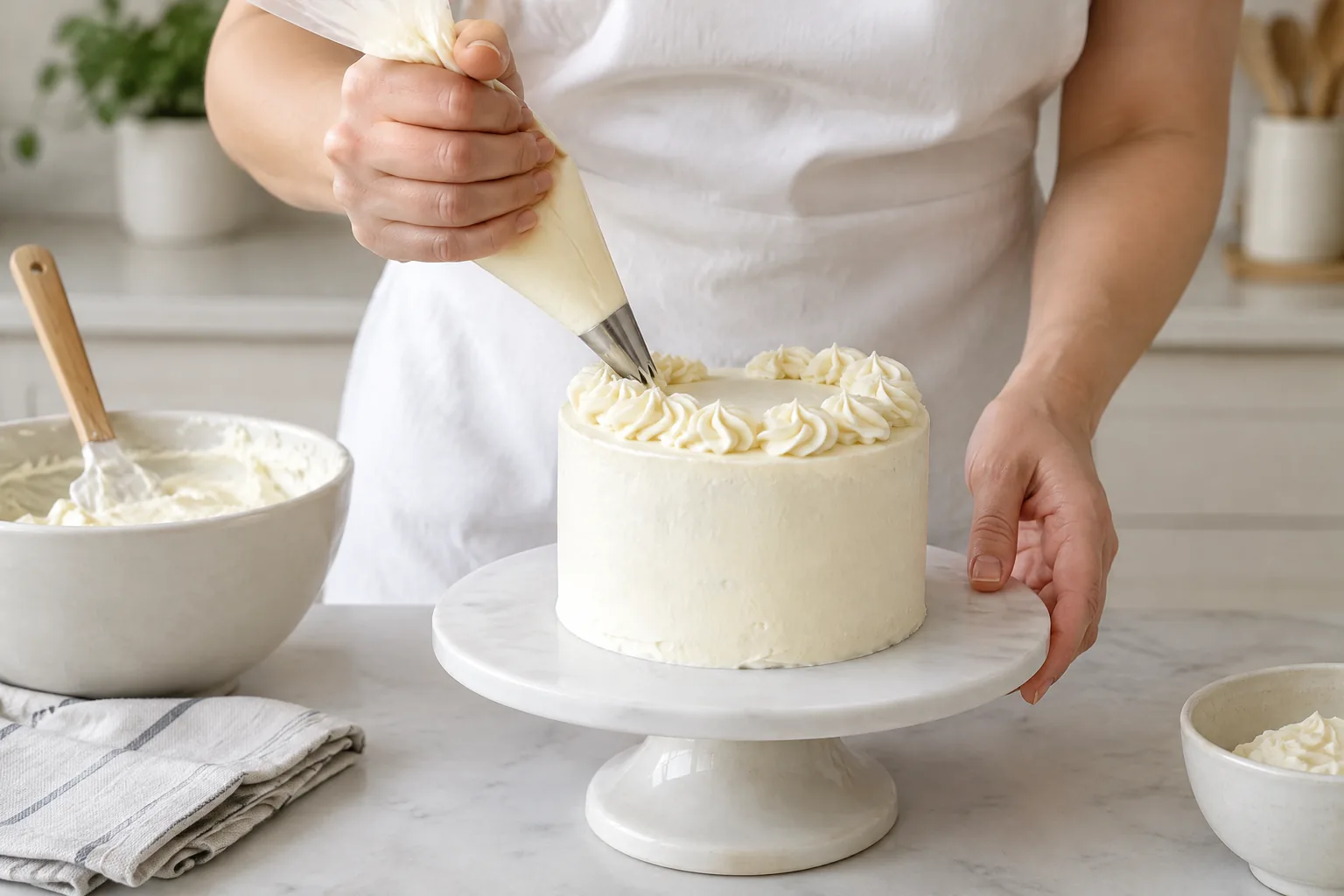
A Fondant Cake enquiry can begin a discussion about a covered surface and decorative shape, but the category name does not confirm that your chosen artwork or technique can be executed. Send the proposed original motif and ask what surface the bakery recommends for it. Request an explanation of any effect on the intended appearance and eating preference. Do not approve the visual idea first and discover later that the finish is one the recipient does not want.
Distinguish the effect from the process. 'A soft, translucent-looking blue wash' describes an appearance; it need not prescribe a particular colour preparation or application method. The baker should explain what is achievable with their proposed materials and finish. Ask whether fine lines, larger colour areas or a separate decorative panel would be more practical. If the design uses a panel, establish its size, attachment and removal instructions before choosing where it sits.
Keep food questions separate from art vocabulary. Words such as watercolour, ink-like and oil-painting effect should describe appearance, not invite the use of ordinary artists' materials on food. Ask the bakery to identify the intended edible decoration and any non-edible components. Raise ingredient restrictions and cross-contact concerns directly, including those involving decoration. A style name, a dietary label or an attractive photograph does not establish certification or an allergen-free guarantee.
Choose between floral restraint and a painted focal point
Different reference categories can help clarify the question.
A Korean Cake page can be a starting point for asking about restrained decoration, pastel balance or piping, rather than shorthand for one fixed recipe or method. For a botanical mood, ask whether a few independently designed flowers would communicate enough. Specify whether you want a small cluster or a border, and where the message should go. Confirm the actual proposal with the bakery; the category alone does not establish that a particular floral design is available.
A Hand Painted Cake enquiry is more focused when it identifies the intended subject and how much surface it should occupy. You might request an original leaf study on one side, with the remaining surface left plain. Ask whether the proposed result is painted directly, made on a separate element or produced by another agreed method. If the distinction matters to the recipient, record it instead of assuming that every decorated image involves the same process.
Choose a main viewing direction before adding detail. A cake displayed against a wall may need a clear front, while one placed in the middle of a small dining table will be seen from several sides. Ask for a sketch showing where decoration ends and how the undecorated back will look. Leave room for the birthday message and candle positions. Neither should be squeezed over the main motif after the design has already been approved.
Approve the original sketch alongside the portions
A design approval needs dimensions and a clear scope.
Request whatever design preview the bakery can actually provide, and agree whether it is included in the quotation. An outline sketch may be enough to settle motif placement; a colour note can resolve the palette. Record the accepted version with a date and name one person to approve changes. Make clear which features are fixed and where hand-applied variation is acceptable. Do not assume a preview includes unlimited revisions or an exact colour match to a screen.
Confirm the serving requirement at the same time as the visible design. Give the expected guest count, whether other desserts will be served and the preferred portion size for the bakery to assess. Ask for the proposed cake dimensions rather than judging size from a cropped photograph. If the motif needs more space than the serving cake allows, discuss simplifying it or changing its placement. Enlarging the cake is not the only possible response.
An original commissioned sketch also deserves an agreement about use. Hong Kong's Intellectual Property Department notes that copyright ownership of commissioned work depends on the parties' agreement. Ask what you may do with the supplied sketch and whether the bakery may publish photographs of the finished cake. Paying for the cake should not leave either party guessing about promotional images, later reproductions or access to the design file. Record the answer in the order correspondence.[4]
Agree the fallback before detail becomes impractical
Preserve the feeling without authorising an unlimited redesign.
Set a sensible order of priorities if the initial idea needs adjustment. For example, keep the quiet blue-and-ivory mood and open spacing, but allow fewer leaves or broader lines. Ask the baker to identify which details are likely to need simplification before the order is confirmed. This avoids a vague instruction to 'do whatever works', which could produce a perfectly reasonable cake that no longer reflects the recipient's taste.
Agree when a change needs fresh approval. A smaller accent might be acceptable within the approved direction; changing the subject, finish or main colour may not be. Ask how the bakery will contact you if an agreed element cannot be completed, and identify the latest point at which you can respond. Keep the fallback realistic: the alternative should be something both sides have discussed, not another elaborate design introduced at the last minute.
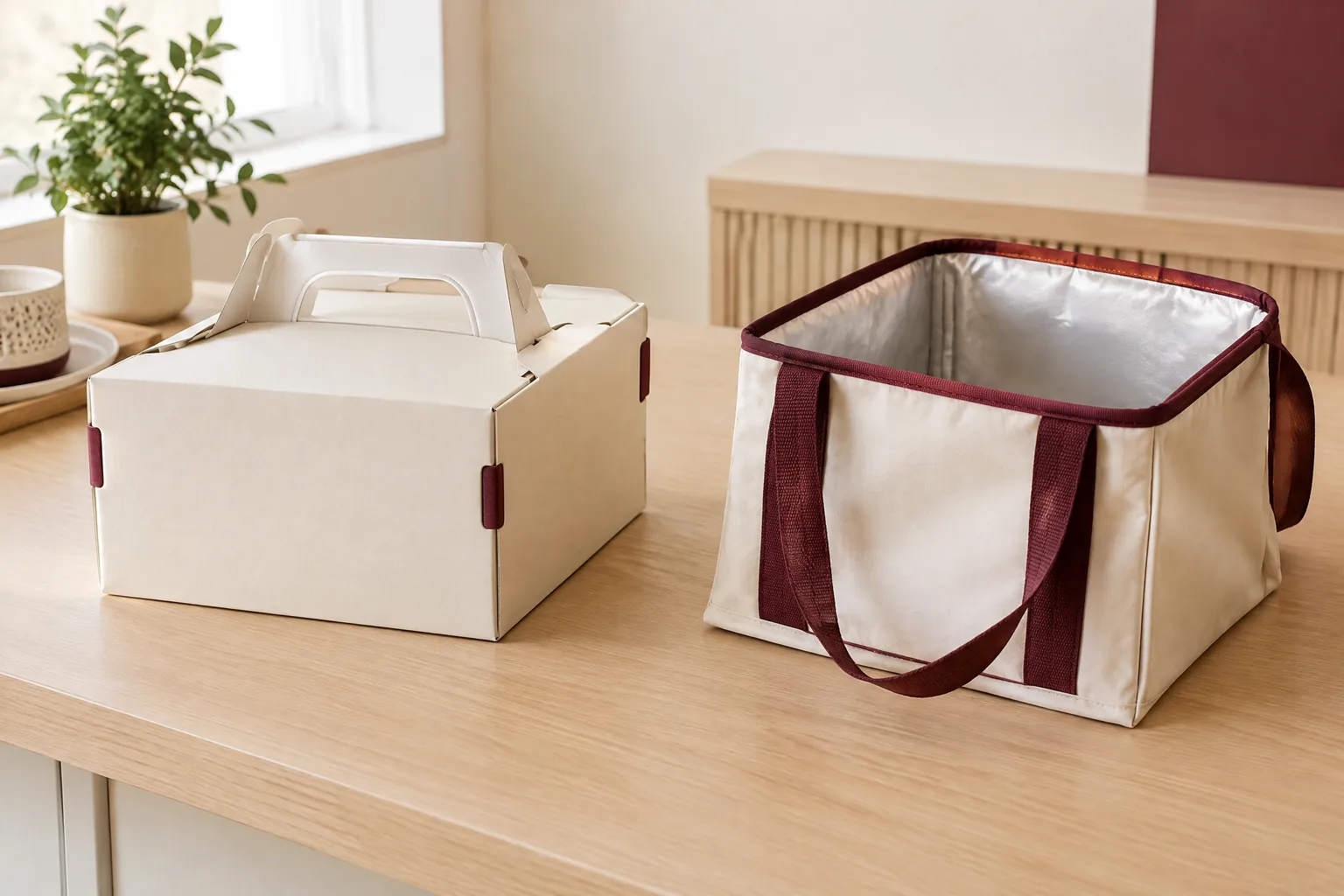
Finally, explain the display plan and ask for handling guidance specific to the confirmed cake. Tell the bakery about the venue, available storage and expected serving time, rather than choosing a display period from the artwork's appearance. Ask how the cake will be packaged and which parts must be removed before cutting. The finished brief should make the cake enjoyable to receive and serve, not merely attractive in a reference folder.
- State the recipient, occasion and three clear mood preferences.
- Explain each reference image's purpose and retain its original source.
- Resolve permission for any exact image, or replace it with an original direction.
- Confirm the proposed finish, decoration method and ingredient concerns directly.
- Approve one dated sketch with dimensions, portions and message placement.
- Record acceptable simplifications, publication permissions and handling questions.
The strongest brief gives the baker enough direction to create, not instructions to trace. Keep the recipient's preferred atmosphere, choose a few visible priorities and remove any reference whose use remains unresolved. Approve the original composition together with the practical order details. You should finish with a clear picture of what is being commissioned, where interpretation is welcome and which changes would need your agreement.
Can I ask for a cake in the mood of my favourite painting?
Yes, you can describe broad qualities you enjoy and request an original design. Explain the palette, spacing and emotional tone without instructing the baker to preserve the painting's distinctive composition. If recognition of that exact work is essential, treat it as a reproduction question and resolve the relevant rights rather than relying on the phrase 'in the mood of'.
Does crediting the artist replace permission?
Do not treat credit as a substitute for checking whether the proposed use is authorised. Attribution may be a condition of a licence, but it does not tell you that the licence covers this use. Keep any required credit with the permission terms and ask for clarification where necessary. If there is no clear basis for reproducing the image, choose an original motif.
What if I drew the reference myself?
Explain whether it is your independent drawing or a drawing based closely on someone else's work. Share a clean version and specify what the baker may change. If you want to keep control over later uses, discuss that in writing too. A client-created reference still needs practical agreement on colour, scale and the amount of detail the cake can accommodate.
How many reference images should I send?
Send only enough to explain different decisions. One might show the desired colour relationship and another the amount of empty space. Label the purpose of each and identify anything that should not be copied. If you cannot explain why an image is included, leave it out. A small, annotated selection is easier to discuss than a large folder with conflicting instructions.
Can I post the finished cake online afterwards?
Discuss intended publication when agreeing the design, especially if it includes a licensed image or will appear in business promotion. Check the relevant permission terms and your agreement with the bakery rather than assuming all uses are covered together. Also agree whether the bakery may share the cake and any personal message. An original-design brief does not automatically settle every later publication question.
Prepare your annotated references and ask the bakery to confirm an original design direction, surface, portions and approval process. Resolve any image-permission question before requesting reproduction.
Sources & supported claims
- Hong Kong Intellectual Property Department: What is Copyright
Copyright protects expression rather than underlying ideas, and paintings, drawings and photographs can be protected works.
- Hong Kong Intellectual Property Department: What is Copyright
Whether a substantial part is taken is assessed by quality rather than quantity; small alterations are not a reliable clearance method.
- WIPO: Frequently Asked Questions about Copyright
Online publication does not make a protected work public domain; generally seek authorisation unless an appropriate licence or applicable exception covers the use.
- Hong Kong Intellectual Property Department: What is Copyright
Copyright ownership of commissioned work depends on the agreement between the parties.