Baking & procurement
Content updated
On this page
- Ask the child what feature matters
- Translate a theme into an original design
- Check character-image permissions
- Confirm three-dimensional support pieces
- Discuss edible and non-edible elements
- Approve portions and the final brief
- Offer a simpler design without disappointment
- Questions & answers
- Sources & supported claims
A character cake design brief that keeps a child's idea achievable
A useful character cake design brief starts with the part your child would miss most, not a promise to reproduce everything in a photograph. Ask whether the excitement comes from a rainbow mane, a friendly face or a towering castle. Keep that feature, then let the baker propose a workable shape within your spending limit. Treat recognisable character artwork, structural components and edible decoration as separate decisions. That gives your child a meaningful choice without committing you to an exact likeness, an oversized cake or a complicated display nobody has agreed to handle.
Choose one essential visual feature and a small number of supporting details. Give the baker the guest count, occasion, budget ceiling and practical limits before approving the appearance. Ask what permissions apply to requested artwork and which components must be removed before cutting. Agree on a simpler fallback with your child before placing the order, rather than introducing an unexpected substitution on the birthday.
Ask the child what feature matters
Find the detail worth protecting before discussing the cake's size.
Start with one picture or the child's own drawing. Ask, 'What would make you say this is your cake?' A child who points to purple hair has given a different brief from one who wants a particular character's expression. Write down their answer in their words. Avoid offering ten more pictures immediately: each new picture can introduce another apparent requirement, from moving wings to a second tier that was never important at first.
Give the child a choice between two achievable directions, subject to the baker's assessment. For example, ask whether they prefer a round cake with a large friendly face or a flatter cake showing their imaginary animal in a garden. The adult decides the budget and number of portions; the child chooses the feature and perhaps the colours. This division keeps the conversation positive without asking a young child to weigh technical constraints or negotiate a quotation.
When making a Custom Cake enquiry, send this short description before a collection of references: 'The purple mane matters most; the castle is optional; we do not need an exact copy of the pictured character.' Add the date and your spending ceiling. Ask which parts the bakery can assess from that information and whether it needs a further drawing. A category page is a place to begin an enquiry, not confirmation that your particular idea has been accepted.
Translate a theme into an original design
Separate the mood your child loves from someone else's particular artwork.
Describe the theme through observable choices: a sleepy animal rather than a named screen character, a blue night sky rather than a copied film scene, or a garden setting drawn by the child. Make the new character's expression and arrangement its own. An original direction should not be a famous face with one colour changed. Equally, do not tell the child that every fantasy animal belongs to a brand; the practical question is which specific expression you are asking someone to reproduce.
For a Unicorn Cake enquiry, distinguish a generic horn-and-mane theme from a request for a particular animated pony. Your child might choose a small lavender unicorn resting beside a crescent moon, with a simple name plaque. Ask the baker how that idea could be expressed in its own design. Confirm whether the unicorn is a flat decoration, a small model or the shape of the whole cake; those are different proposals, even when the theme sounds identical.
Limit the reference pack to a few images and explain each one's purpose. Mark one for the colour balance, another for the rounded shape and perhaps the child's sketch for the expression. Label them as references for discussion, not instructions to duplicate the finished work. If two references conflict, settle that conflict before requesting a quote. A delicate face and a crowded scene cannot both be the obvious focal point on every cake surface.
| Child's request | Priority to preserve | Alternative to discuss | Written confirmation needed |
|---|---|---|---|
| A unicorn like the picture | The child's favourite expression or mane colour | An original fantasy animal with its own face | Original design direction or permission for specific artwork |
| A standing creature | A recognisable silhouette | A seated model or face on a round cake | Edible parts, supports and removal guide |
| A huge castle | A sense of a fantasy setting | A simple scene on the cake surface | Dimensions and required portions |
| A shining horn | A visible focal point | An edible finish or clearly removable topper | Product suitability and what to remove |
| Every detail from several pictures | One chosen feature | A few coordinated supporting details | One final approved design and total quotation |
Check character-image permissions
Do not treat an online picture as permission to reproduce it.
Hong Kong's Intellectual Property Department explains that copyright can protect drawings, paintings and sculptures, including works available online. Protection arises automatically, without local registration. It also distinguishes ideas from their expression and says that taking a substantial part concerns quality, not simply quantity. For your brief, this means asking about permission for a particular illustration or likeness rather than assuming that a screenshot, small print or birthday setting settles the issue.[1]
If an exact character is essential, ask the bakery whether it can offer an appropriately authorised option and what that option covers. Identify the actual image or product being proposed. Do not describe a cake as licensed merely because it includes a purchased decoration, and do not assume that owning a toy gives permission to reproduce its artwork in icing. If the bakery cannot clarify the requested use, return to an original theme or seek appropriate rights advice instead of requesting a near-copy.
Keep artwork permission separate from permission to publish photographs of your child. If a bakery asks to share the finished cake, clarify whether the photograph will show a name, age or child, and decide what you are comfortable releasing. A parent's own photograph can also contain someone else's illustration. Record the source and intended use of any supplied image so the discussion concerns the correct material, not a vague promise that everything downloaded is usable.
Confirm three-dimensional support pieces
Ask what creates the shape and who will dismantle it.
A 3D Cake enquiry should explain whether you want edible volume or simply a strong silhouette. A standing animal, a seated model on a conventional cake and a flat outline are not interchangeable. Ask the baker to identify which proposed parts are cake, which are decoration and whether any dummy sections or internal supports are included. Do not infer edible portions from a photograph of the overall height. Request dimensions for the agreed design rather than borrowing them from an unrelated reference.
Treat outstretched wings, thin legs and a tall horn as questions for the baker, not elements you promise the child in advance. Ask whether changing the pose would simplify the proposal: a sleeping creature can preserve its face and colours without needing the same arrangement as a standing one. Request a simpler alternative alongside the first quotation. Compare what is actually included in both versions rather than assuming a lower cake or a smaller model automatically costs less.
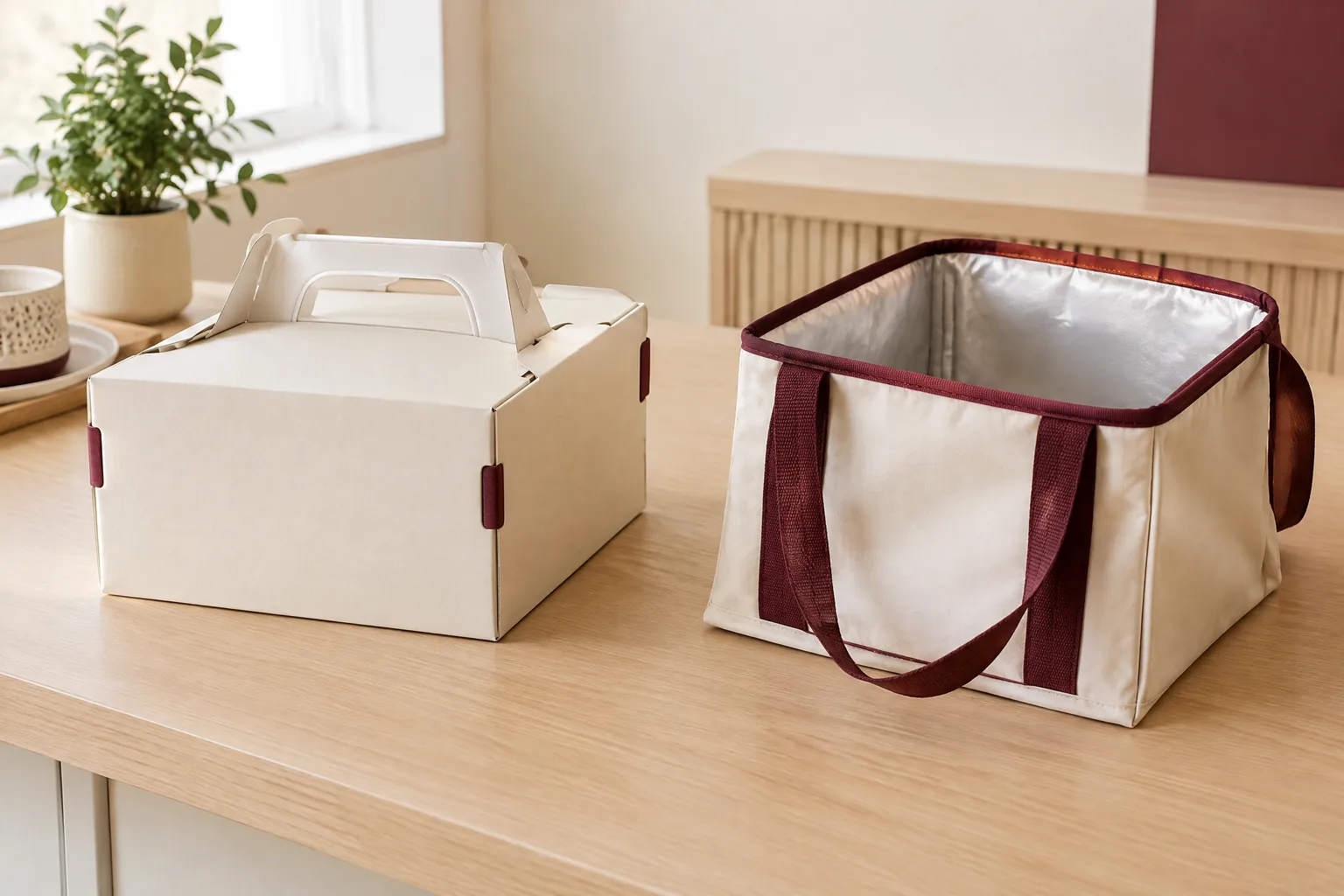
For any supported design, request a clear removal and cutting guide. Name the adult who will receive that information and pass it to whoever serves the cake. Ask about the finished board, box and storage requirements before agreeing to a tall design for a Hong Kong flat or party room. Measure the usable space rather than the outside of a fridge. If the proposed format does not fit, change the design before ordering rather than planning to remove important pieces yourself.
Discuss edible and non-edible elements
Make the sparkling horn and decorative figures part of the food conversation.
Ask for an itemised explanation of the visible decoration. A horn might be a sugar model, a removable topper or a covered support; its appearance does not tell a parent which. The same applies to eyes, flowers and tiny figures. Mark non-edible pieces on a simple picture of the approved cake and ask how they are separated from food. Agree that an adult will remove them before serving, and keep loose decorations away from children rather than handing them out with slices.
The U.S. FDA advises using cake glitter and dust specifically manufactured to be edible. Its guidance says that a label stating only 'non-toxic' or 'for decorative purposes only', without an ingredient list, is not sufficient for direct use on food. It also advises removing non-edible decorations before serving and eating. This is useful guidance for questions about a metallic horn or shimmering mane, not proof that a particular product meets Hong Kong requirements or that a bakery holds any certification.[2]
Send dietary requirements separately from the colour sketch. Ask about the sponge, filling, covering, printed sheet and small decorations, along with preparation and cross-contact arrangements relevant to the guest. A vegan or gluten-free name is not an allergen-free guarantee. If an ingredient substitution changes the proposed appearance, ask the baker to explain the change before approval. When a requirement cannot be confirmed, resolve the guest's food arrangements rather than relying on a decoration's familiar appearance.
Approve portions and the final brief
Keep the visual promise and the food order in the same written record.
For the Birthday Cake enquiry, count the people expected to eat cake, including accompanying adults where appropriate. Tell the baker whether it follows a meal and whether other desserts are planned. Ask for the intended number of portions and a suitable cutting guide for the proposed shape. Separate decorative volume from serving quantity. A large display element should not silently become your estimate of how much food the family will receive.
Set a total budget that includes the components and arrangements you actually need, then ask for an itemised quotation. Compare the first design with a simpler version offering the same required portions. Check whether the difference is in modelling, artwork, extra display pieces or another quoted element. Ask about revisions and the deadline for final approval. Do not assume that a sketch, additional toppers or later changes are included unless the bakery confirms them.
A concise illustrative brief could read: 'An original sleepy unicorn; lavender mane is essential; one round cake for the confirmed portions; no copied character face; no castle; identify removable parts; confirm ingredients, dimensions and total price before approval.' Add the child's name exactly as it should appear, the agreed flavour and the collection or delivery arrangement. Keep one final version and label superseded pictures clearly so an older image cannot accidentally become the production instruction.
Offer a simpler design without disappointment
Approve the alternative with the child while there is still a choice.
Present the alternative as a different design with the same favourite detail, not a reduced version of the promised cake. Show the child what remains: the lavender mane, sleepy expression and their chosen name plaque. If the whole animal becomes a face on a round cake, say so plainly. Ask the child to choose between two baker-confirmed options, rather than unveiling the simpler arrangement only when the box is opened.
Give any removed idea another role only if it is genuinely useful. A castle can become the child's paper drawing beside the cake rather than another purchased decoration. Keep craft materials off the food and away from candles. Do not transfer every omitted detail to cupcakes or party favours: that can recreate the cost and work you were trying to avoid. One distinctive feature can carry the celebration without the whole table repeating it.
If photographs are part of the celebration, decide which side of the approved design should face the camera and leave room for the child beside it. Families arranging a separate session can consult 兒童生日攝影, BigDeal's Chinese-language children's birthday photography page, for photography enquiries. Confirm any cake-use rules directly with the photographer and place the food order separately. A photograph plan should work around the agreed cake, not reopen the design after approval.
This BigDeal guide covers 兒童生日攝影; the linked page is in Chinese. (Chinese page)
- Record the child's one essential feature and the details they are happy to omit.
- Distinguish an original theme from a request for specific protected artwork.
- Obtain confirmation of portions, dimensions and all decorative or support components.
- Check every edible component against the guests' dietary requirements with the bakery.
- Request a total quotation and clarify revisions, approval deadlines and substitutions.
- Name the adult who will receive the cake and remove non-edible pieces before serving.
- Approve one final brief and one simpler alternative with the child.
The strongest brief protects the child's favourite feature while leaving room for a genuinely original, workable design. Set the portions and spending limit first, clarify artwork permissions and label anything that is not food. Once the baker and parent agree on the proposal, show the child the actual plan. A clear promise about a simpler cake is kinder than an elaborate promise nobody has confirmed.
Can I send a screenshot of my child's favourite character?
You can identify what the child likes for discussion, but do not treat the screenshot as permission to reproduce the artwork. Explain whether the request concerns the exact character or a general theme. Ask the bakery to clarify the proposed use and any authorised option. If permission remains unclear, choose an original design rather than asking for a slightly altered copy.
Will reducing a sculpted cake's size necessarily make it cheaper?
Not necessarily; ask for quotations rather than assuming a proportionate saving. A smaller design may still contain detailed modelling and require a different arrangement to supply the intended portions. Compare two clearly described options with the same food requirement. Let the baker identify which changes actually alter its quotation, then choose according to your child's priority and the total cost.
How do I explain that the standing unicorn is no longer the plan?
Explain the change before confirming the order and show what the alternative will look like. Say that the unicorn will rest on the cake or appear as a face, while keeping the feature your child chose. Offer two options the baker has assessed. Avoid promising that the simpler design will look identical to the original reference.
Can we add our own toy after collecting the cake?
Ask the baker before approving the design rather than adding it afterwards without discussion. Establish whether the item is suitable for the proposed contact with food, whether its weight affects the design and who will remove it before serving. A separate display beside the cake may be a better option. Purchasing a toy does not itself settle permission to reproduce its artwork.
What if the approved colour is unavailable or the model needs changing?
Agree in advance who can approve a substitution and which changes require a new confirmation. A slightly different decorative accent is not the same as replacing the child's essential feature. Ask the bakery to contact the named adult before changing that feature. Keep a child-approved fallback in the brief, but do not present it as a guarantee that any supplier can fulfil it.
Prepare one reference image, your child's essential detail, the required portions and your total budget. Ask the bakery to confirm a feasible design, any image permissions and the full order details before you commit.
Sources & supported claims
- Hong Kong Intellectual Property Department: What is Copyright
Copyright can protect drawings, paintings and sculptures, including works online; protection is automatic without Hong Kong registration, concerns expression rather than ideas, and substantiality is qualitative rather than merely quantitative.
- FDA Advises Home and Commercial Bakers to Avoid Use of Non-Edible Food Decorative Products
FDA advises using glitter and dust specifically manufactured to be edible, warns that non-toxic or decorative-only labels without ingredients do not establish suitability for direct food use, and advises removing non-edible decorations before serving and eating.