
Baking & procurement
Content updated
On this page
- Ask each person what recognition they want
- Separate anniversary and farewell messages
- Respect the graduate's own plans
- Explain who will eat the baby's celebration cake
- Choose shared or separate moments before choosing sizes
- Approve names and photographs individually
- Keep cake service separate from the programme
- Offer a quiet alternative without making it a consolation prize
- Questions & answers
- Sources & supported claims
Overlapping celebration cakes: let each person decide
The fairest way to arrange overlapping celebration cakes is to ask each guest of honour what they actually want before choosing a shared design. An anniversary, a graduation, a baby's hundred-day gathering and a family member's departure may fall within the same fortnight. That does not make them one occasion. Share the meal if everyone welcomes it, but leave room for separate messages, different photographs and a quiet acknowledgement on another day. For the baby's celebration, parents make the decisions and the cake is for adult guests, not the infant.
Start with private conversations rather than a family vote. Agree who wants public recognition, what may be written and whether the moment belongs at this gathering at all. Then choose the least complicated cake arrangement that respects those answers. Equal attention need not mean equal cake sizes or four speeches. A small, wanted gesture can recognise someone better than a large centrepiece they never approved.
Ask each person what recognition they want
An invitation to celebrate is not permission to merge milestones.
Speak to the couple, the graduate and the departing relative separately; ask the baby's parents together. A useful opening is, 'Would you like us to mention your occasion at Sunday lunch, or would another time feel better?' Give a real choice, including no cake and no announcement. Asking only which flavour someone prefers skips the more important question of whether they want this kind of attention.
In a blended family, do not assume that a relationship label feels the same to everyone. A child may enjoy the meal but dislike being asked to celebrate a parent's remarriage publicly. A departing adult may want time with siblings without a speech about leaving the whole family. Let people explain their preferences without demanding that they justify their loyalties. The host can organise the gathering without deciding what it means for every person.
Record the agreed scope in plain language: 'private toast for the couple', 'graduate chooses later', or 'baby's parents prefer no public photographs'. Keep these notes within the small organising group. Revisit a preference only if something material changes, such as a different guest list. Do not turn an initial yes into permission for a bigger surprise. Someone who accepts a cake at lunch has not necessarily agreed to a restaurant announcement.
| Guest of honour | Ask about the format | Approve before ordering | Photograph decision |
|---|---|---|---|
| Anniversary couple | Shared toast or private acknowledgement? | Both partners' preferred greeting and names | Together, separately or no posed photograph |
| Graduate | Family moment, friends' event or another date? | Name, achievement and any academic symbol | Private album, public sharing or no photograph |
| Departing relative | Public goodbye or quiet conversation? | Message; whether the destination may be mentioned | Whether departure details may appear in an image |
| Baby's parents | Brief appearance, full meal or celebration without the baby? | Baby's name and any displayed date | Whether images may be taken and who may receive them |
Separate anniversary and farewell messages
A shared dessert does not need a shared emotional script.
An anniversary message belongs to the couple, not automatically to everyone at the table. Ask both partners whether they want the date, their names or simply a short greeting. If they choose an individual cake, the Anniversary Cake page is a relevant starting point for an enquiry after the wording is agreed. Avoid adding 'our perfect family' or naming children as co-celebrants unless those people actively want that message too.
A departure can bring excitement, sadness or uncertainty. Before using the Farewell Cake enquiry page, ask whether the person prefers a warm goodbye, a wish for the next chapter or no departure theme. A joke about escaping Hong Kong may be unwelcome if the move is difficult. Do not print a new employer, destination or travel date merely because the organiser knows it; the person may not have announced those details.
If the couple wants a formal toast while the departing relative wants casual conversation, separate the moments rather than forcing a compromise inscription. Serve the anniversary cake after the couple's agreed toast, then offer the departing person a card later. Alternatively, keep both messages on separate cards beside an unlettered dessert. Neither person needs to stand together holding a knife to prove that the meal was a joint celebration.
Respect the graduate's own plans
A family acknowledgement should leave space for friends and independent choices.
Ask what the graduate has already arranged before inviting relatives to a celebration on their behalf. They may have a ceremony lunch, a gathering with classmates or plans immediately afterwards. A family dinner can be welcome without becoming their main graduation event. Agree an arrival and departure time that allows them to keep existing commitments; do not announce a surprise cake just as they are leaving and then make staying a test of gratitude.
Let the graduate choose whether academic symbols belong on the cake. A cap may feel right, while grades, school colours or a future profession may not. The Graduation Cake page can support a design enquiry once those preferences are clear; confirm the actual design separately. Use the name and achievement they approve, and avoid an inscription that assumes a job offer, postgraduate place or professional title they have not confirmed.
For a younger graduate, offer a few understandable choices rather than asking them to manage the whole family's expectations. They might choose a small cake with grandparents, a favourite dessert with friends or a congratulatory card at the shared meal. Adults still organise the practical details. The point is to respect the child's preference, not to make them negotiate between households or decide which relatives deserve an invitation.
Explain who will eat the baby's celebration cake
The milestone names the occasion, not the infant's menu.
The 100 Days Cake page concerns a family celebration design; its name is not evidence that the cake is suitable for a baby to eat. Plan it as dessert for adult guests. Ask the parents whether they want the baby's name displayed, whether the baby will attend the whole meal and whether a photograph is wanted. A celebration can still go ahead quietly if the baby needs to feed, sleep or leave with a parent.
Hong Kong's Family Health Service advises introducing solid foods at around six months and says not to offer solid food before four months. A hundred-day celebration is therefore not a reason to give the baby cake or icing for a photograph. Keep the baby's usual feeding arrangements separate from dessert service. If relatives suggest 'just a taste', the host should support the parents rather than leave them to refuse repeatedly at the table.[1]
Give one adult responsibility for answering practical questions so the parents are not coordinating every arrival while caring for the baby. Agree whether a short greeting before lunch is enough and whether guests should leave gifts on a side table. Do not delay the other celebrations until the baby is available for a group picture. The parents can miss a cake moment without owing the gathering a replacement appearance.
Choose shared or separate moments before choosing sizes
Use each person's preference to decide the format.
A single cake works when everyone actively likes sharing the recognition and approves the visible message. It can remain unlettered, with separate cards read only when wanted. Several smaller cakes work when people want distinct identities at one meal. Separate dates work when audiences or emotions clash. These are different ways of respecting the occasion, not a ranking from generous to cheap. Ask which arrangement feels comfortable before showing design pictures.
Test the proposed format against a realistic family lunch. Suppose the couple wants a brief toast, the graduate wants no speech, the departing relative prefers a private goodbye and the baby's parents can stay only briefly. One combined announcement would override three preferences. A couple's toast, a card handed to the graduate, a later goodbye and ordinary dessert for guests is a more accurate fit. Four milestones do not require four performances.
Count people who actually want cake, not the number of occasions. Ask whether guests will also receive the restaurant's dessert and whether anyone wants only a small taste. Then ask the bakery to confirm the usable portions for the chosen format. If separate cakes would create unwanted leftovers, keep separate recognition but share the food. Discuss outside-cake permission, any cutting charge and storage directly with the restaurant rather than assuming permission follows a table booking.
| Format | Useful when | Change the plan if |
|---|---|---|
| One cake, separate cards | Everyone welcomes shared dessert and distinct messages | Someone dislikes a joint public moment |
| Several small cakes at one meal | People want separate designs but enjoy gathering together | Portions or refrigeration become impractical |
| One shared meal, separate acknowledgement times | The audience overlaps but attention preferences differ | A host cannot prevent surprise announcements |
| Different dates or private gestures | An honouree wants privacy or a different audience | Do not merge merely to simplify the organiser's calendar |

Approve names and photographs individually
Being present, being photographed and being posted online are separate choices.
Send each person only the wording and design details they need to approve. Check spelling in the chosen language, the order of names and any milestone number. Show the exact wording rather than describing it as 'something sweet'. Ask separately about taking photographs and sharing them. A person may welcome a private family picture but not a public post, or agree to appear without the inscription visible. Honour that distinction when planning the shot.
If the family genuinely wants portraits beyond a quick lunch photograph, the 全家福 information page is in Chinese and can help with a separate family photography enquiry. Make that session optional and agree who wants to attend before enquiring. A portrait booking should not become the price of joining the meal, nor a reason to place reluctant relatives together around a cake. Keep celebration decisions independent of photography arrangements.
This BigDeal guide covers 全家福; the linked page is in Chinese. (Chinese page)
A graduate who prefers their own session can consult the Chinese-language 畢業攝影 page for a photography enquiry instead of fitting portraits around four occasions. The graduate should choose whether any cake appears and who joins them. For the baby's images, agree sharing preferences with the parents beforehand. Ask one organiser to remind guests of the agreed limits; do not expect someone holding a baby to monitor every phone.
This BigDeal guide covers 畢業攝影; the linked page is in Chinese. (Chinese page)
Keep cake service separate from the programme
Dessert should not wait through every speech and photograph.
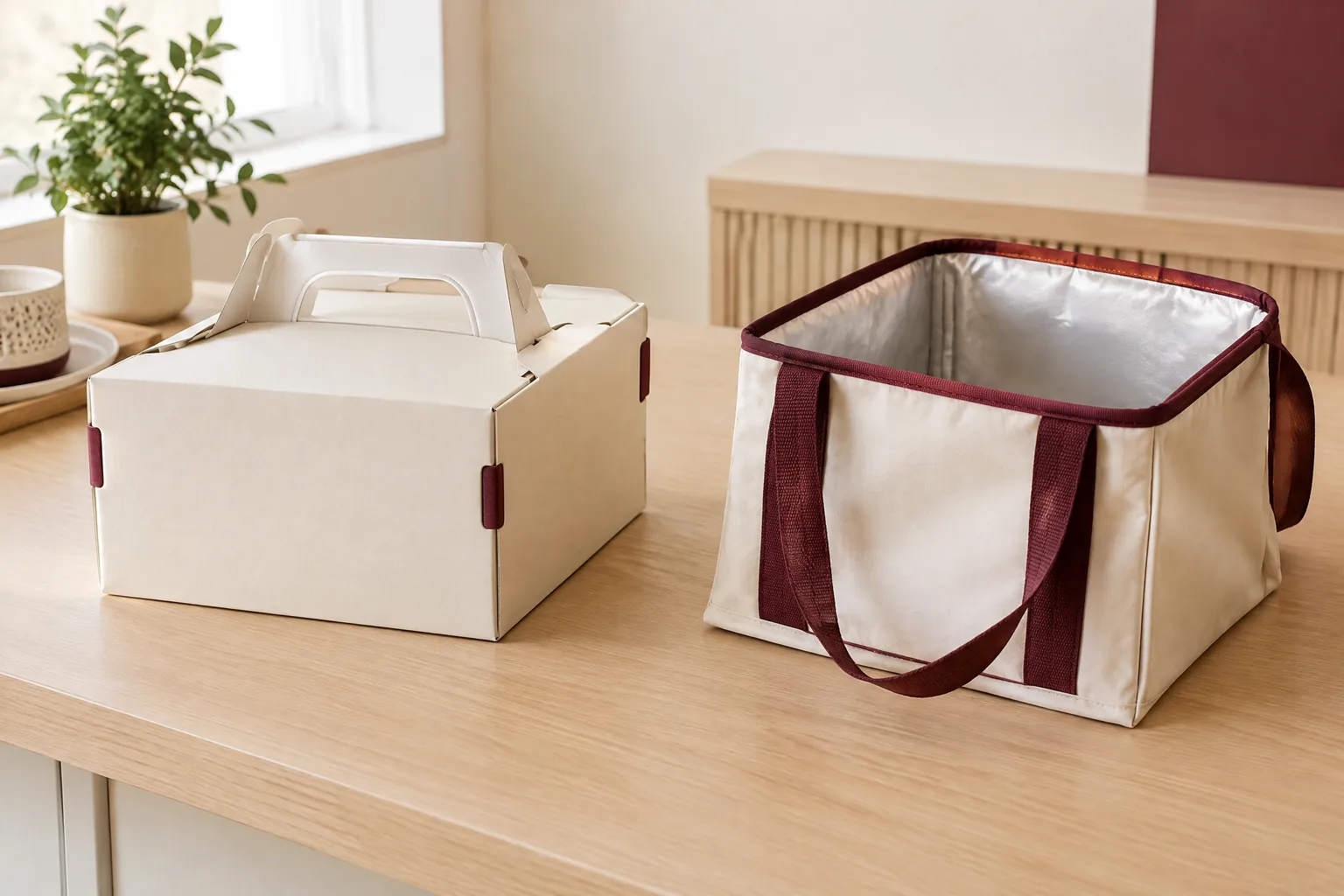
The Centre for Food Safety advises keeping refrigerated food at 4°C or below and storing ready-to-eat food covered or sealed, separate from raw food. Ask the bakery for the chosen cake's storage instructions and confirm that the venue can follow them. A cake that needs refrigeration should not sit on a display table throughout several celebration moments. Use the agreed photograph window, then have it served or returned to suitable storage as instructed.[2]
Nominate a host who knows which cake or message belongs to whom and can brief restaurant staff discreetly. Tell staff whether any announcement is unwanted, who may authorise cutting and what should happen if an honouree leaves early. If there are multiple cakes, identify their flavours without making guests choose sides between celebrations. People can enjoy dessert without taking part in every toast, and a serving decision should not become a vote on whose milestone matters most.
Ask about guests' dietary needs before confirming food. Pass specific questions about ingredients and cross-contact to the bakery; a dietary label alone is not an allergen-free guarantee or certification. Do not resolve an uncertain answer by asking a guest to try a tiny slice. Offer a separately confirmed alternative where needed. If no suitable cake is available for someone, include them in the recognition without pressuring them to eat.
Offer a quiet alternative without making it a consolation prize
Someone can decline the shared moment and still be fully included.
If one person says no, remove their milestone from the cake brief and public announcement. Do not keep a surprise topper hidden in case they change their mind at the table. Ask whether they would prefer a private card, a short visit or no further gesture. They may still want to attend the meal as an ordinary guest. Explain the arrangement to other organisers simply: 'We have agreed to keep that occasion private.'
When a relative objects that separate recognition looks unequal, return to the actual choices. The couple chose a toast; the graduate chose a card; another person chose privacy. Those are not competing allocations of affection. Set a clear boundary against impromptu speeches or photographs that reverse the agreement. After the gathering, thank each person without asking them to praise the combined event. Their willingness to celebrate again is better served by being heard this time.
- Ask each honouree privately whether this meal should recognise their milestone.
- Get both partners' agreement for the anniversary and the parents' decisions for the baby.
- Approve exact names, greetings and any details about study or departure before ordering.
- Choose shared food and separate recognition wherever preferences differ.
- Confirm adult cake eaters, dietary questions and the venue's outside-cake and storage arrangements.
- Agree photograph taking and sharing separately; give one host the final instructions.
- Leave a workable private alternative if someone declines or changes their mind.
A shared family table can hold several milestones without making them one story. Let the couple own their anniversary, the graduate own their achievement and the departing person own their goodbye. Let the baby's parents decide the shape of the hundred-day gathering, while adults eat the cake. Once those boundaries are clear, the design and serving choices become simpler: recognise people in the way they welcome, not in the way that makes the busiest photograph.
Does everyone need to agree before one cake names all four occasions?
Yes: seek an explicit agreement from the adults concerned, with parents deciding for the baby and an age-appropriate choice for a younger graduate. Silence in a busy family chat is not a useful approval. If anyone prefers not to share the message, remove their milestone rather than asking the majority to overrule them. Dessert can still be shared.
What if the anniversary couple agrees but their children feel uncomfortable?
Separate the couple's acknowledgement from any claim about the whole family. Children need not appear in a posed anniversary photograph or join a toast about a relationship they experience differently. A brief couple-only moment, with no pressure on other guests to perform happiness, may work. If it does not, choose a private anniversary occasion.
Can the graduate cut a baby-themed cake without sharing the milestone?
Only if they genuinely want to help. Serving dessert is a practical role, not an automatic acceptance of a joint celebration. Ask beforehand and give someone else the role if the graduate would rather not. If the family intends a graduation acknowledgement, arrange it separately instead of treating the cutting photograph as permission.
Must each celebration have the same amount spent on cake?
No. Agree a total budget with the people paying, then choose gestures that suit the recipients. Equal spending can still produce an unwanted public moment. Avoid announcing individual costs or using cake size as a comparison of importance. When money is limited, private messages alongside one dessert can preserve recognition without multiplying orders.
What should we do if someone withdraws permission after ordering?
Respect the changed decision and contact the bakery promptly to ask what alterations are possible; do not assume a change or refund is available. Consider serving without displaying the disputed message or omitting the ceremonial presentation. Tell the host and anyone planning photographs. Money already spent does not oblige the person to accept an announcement.
Before making a cake enquiry, agree each person's preferred recognition and exact wording. Then ask the bakery and venue to confirm the design, portions, dietary questions and handling arrangements for your actual gathering.
Sources & supported claims
- Family Health Service: Healthy Eating for 6 to 24 month old children — Getting Started
Introduce solid foods at around six months; do not offer solid food before four months. A hundred-day celebration does not justify giving cake or icing to the infant.
- Centre for Food Safety: Food Safety Bulletin 101 — Practical Tips for Food Storage with Refrigerators and Freezers
Keep refrigerated foods at 4°C or below; cover or seal ready-to-eat foods and separate them from raw foods. Confirm product-specific cake handling rather than leaving chilled cakes on display through several ceremonies.