Gifts & occasions
Content updated
On this page
Plan newborn gift timing around the parents, not the calendar
Good newborn gift timing means separating help the parents want now from a celebration they may choose later. For overseas relatives, the simplest arrangement is one family contact, one shared wish list and two delivery windows approved by the parents. Send a practical item only when its size, quantity and handover are agreed. Keep a later full-moon gift undecided until the family confirms what, if anything, they want to celebrate. A congratulatory message can arrive immediately; a parcel does not have to.
Use the first window for a confirmed need and the second for an optional celebration. Record gifts already owned, promised and ordered before anyone buys. Treat adult food separately from infant items, check individual product labels, and let the parents change the date or decline either delivery without explanation.
Ask parents what is actually useful
Offer a small choice, not another task
Start with a question that can be answered briefly: would one requested baby item, something for the adults, or waiting be most useful? Avoid asking the parents to design an elaborate hamper. If they name a need, ask for the exact item or a link to their own list. If they say they have enough, believe them rather than trying a different category until they agree.
The recipient and the purpose are separate decisions. A box for the parents might contain something they personally want, while a baby gift might be a specified garment in a requested size. Neither needs to serve both groups. Ask before sending toiletries, feeding equipment or a bulky keepsake. What looks generous in a photograph may create storage, washing or exchange work in a Hong Kong home.
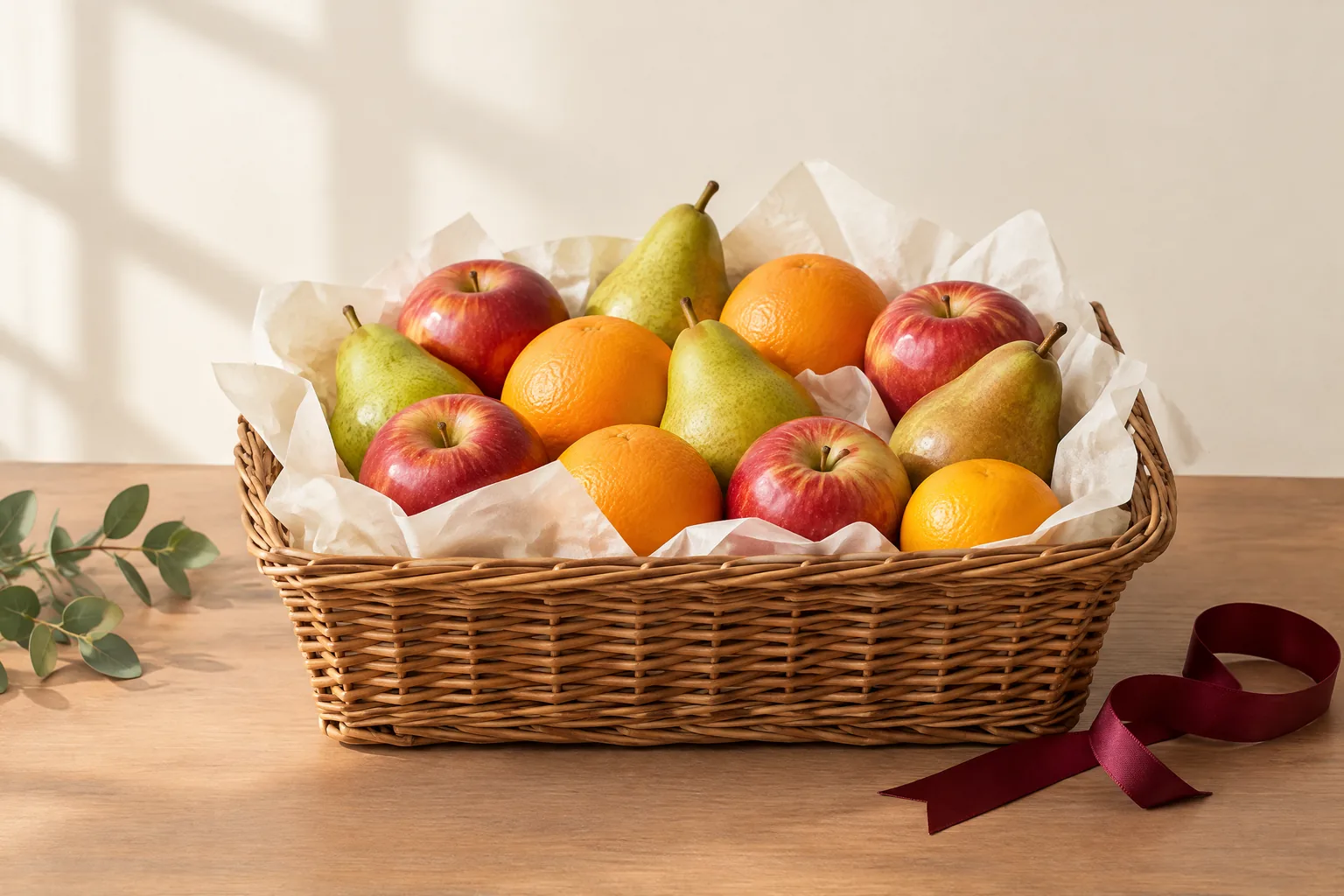
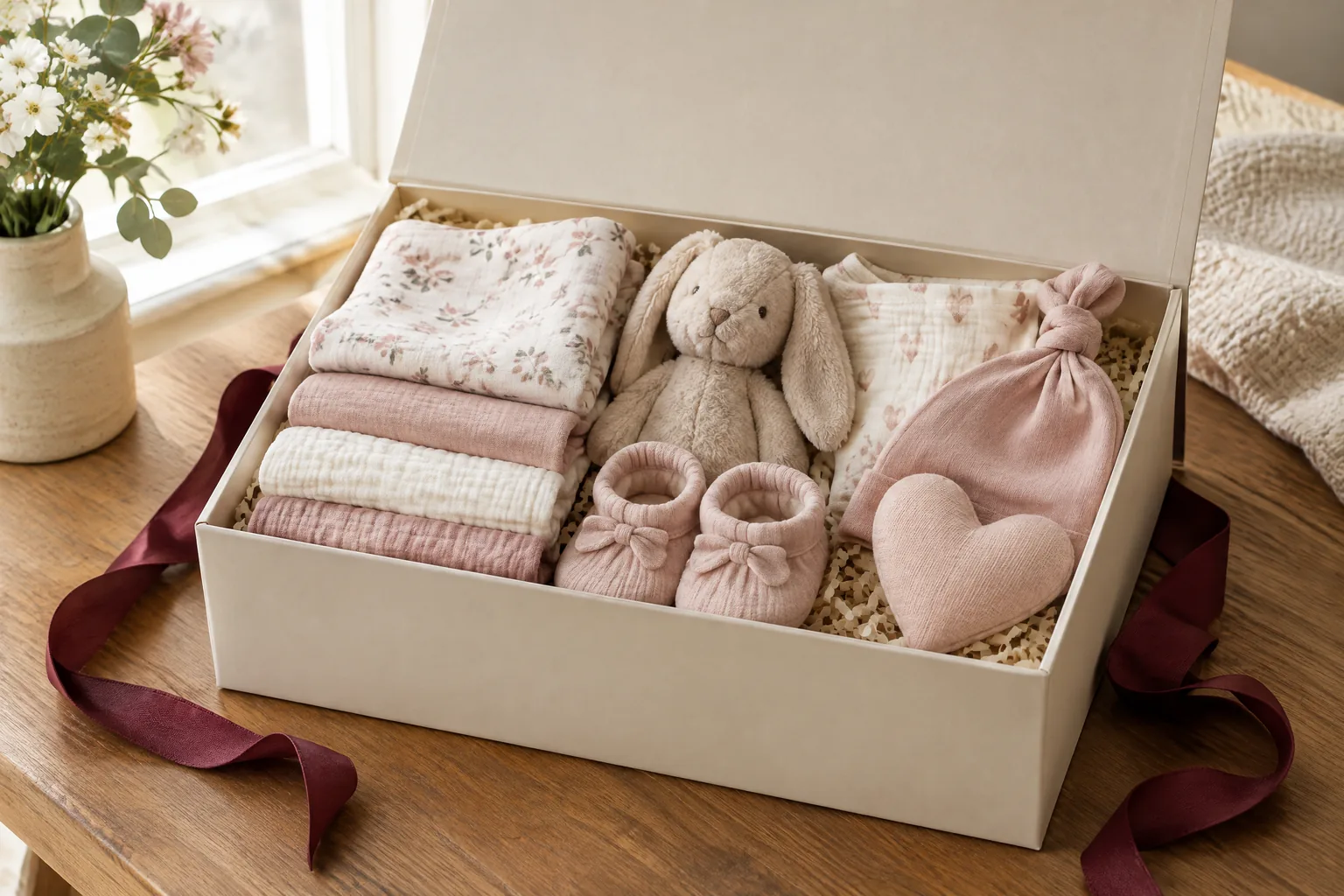
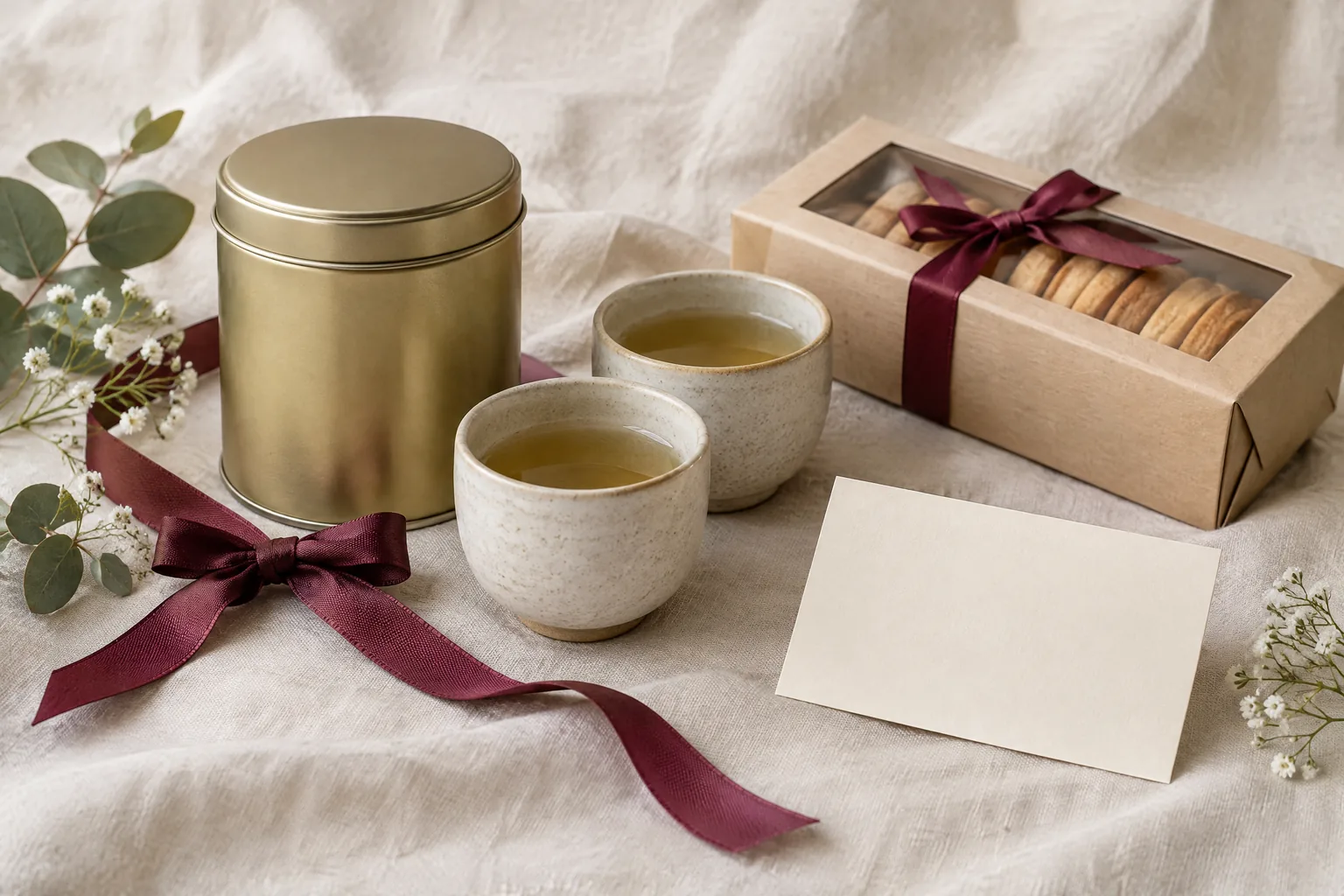
A Baby gift basket can be a starting point for comparing presentation ideas, but the appearance should come after the parents' answer. Work from a written contents list rather than assuming every object pictured will be useful. Ask the merchant which individual items would be supplied and whether unwanted components can be omitted. Do not buy a complete arrangement merely to obtain one requested item.
Silence is not consent. When the birth announcement arrives late at night in your time zone, send congratulations and leave the practical question for later. One relative can gather offers without forwarding a stream of shopping decisions to the parents. Set a family rule that no purchase proceeds while the answer is pending; this makes waiting a normal option rather than a disappointment.
Agree one shared wish list
Distinguish a reservation from an actual purchase
Keep the list small enough to maintain. Each entry needs the parents' requested item, any required size or model, the quantity still wanted, the relative taking responsibility and its current status. Useful statuses are available, reserved, ordered and received. A vague note saying someone is buying clothes does not prevent three other people from buying the same size before the first parcel arrives.
Choose one person to update the list after a purchase, rather than assuming everybody will remember to do it. A reservation should have an agreed point for checking back: if the relative cannot buy the specified item, release it before choosing a substitute. Record goods already ordered but not yet delivered. They count towards the family's supply even though the parents have not opened them.
For example, the parents may request one pack of a particular nappy size and one larger garment. An aunt can reserve the nappies and a cousin the garment. If another relative wants to contribute, the coordinator offers an unclaimed request or suggests waiting for the later window. Do not quietly increase the quantity on the grounds that babies will eventually use everything.
Keep addresses and telephone numbers out of a widely shared shopping sheet. The coordinator can pass delivery details privately to the person placing the agreed order. Use the parents' preferred name on a card, especially if the baby's name has not been announced publicly. The wish list is a coordination tool, not permission to circulate birth details, photographs or the family's location.

Choose an immediate delivery window
Book a handover, not a surprise arrival
Immediate support means the next useful, agreed opportunity, not necessarily the birth date. Ask whether the parents are ready to receive a parcel at home and who can accept it. Do not infer a discharge date or use a hospital address from an old message. If the family is moving between homes or awaiting arrangements, hold the purchase instead of making them redirect it.
Confirm the date in Hong Kong local time and write the full calendar date rather than today or tomorrow. For an overseas sender, a message sent before midnight can be read on a different day. Agree a receiving interval with the family, then ask the merchant whether that interval is available. A desired window is not a delivery promise until the merchant confirms the arrangements.
When comparing Baby gift hampers, request the parcel dimensions and the final contents as well as the available handover arrangements. An adult may need to carry the package upstairs or bring it from a collection point. If the parents cannot manage that, ask whether a nominated helper can receive it with their permission. Do not assume reception staff or building security will accept it.
Plan what happens if the receiving adult is unavailable. The sender should be the first contact for order problems where the merchant allows it, and should ask about changes or failed delivery before paying. A food parcel should not be left outside while everyone guesses when the family will return. If no workable handover can be confirmed, choose a later date or a non-perishable alternative.
Reserve celebration gifts for later
A full-moon occasion is the family's choice
Ask whether the parents want to mark the full-moon milestone, and what that would mean for them. They might prefer a small household gathering, a later occasion, a private acknowledgement or no event. Do not turn a family preference into a compulsory date. Relatives can keep funds aside without ordering a personalised gift or announcing a party before the parents have decided.
The later window deserves a fresh question because needs can change. A useful early purchase does not justify repeating it a few weeks later, and a larger hamper is not automatically a better celebration gift. Confirm whether the parents want a keepsake, something for adult guests, or simply a card. Review the list again so items bought during the first window are not repackaged as new needs.
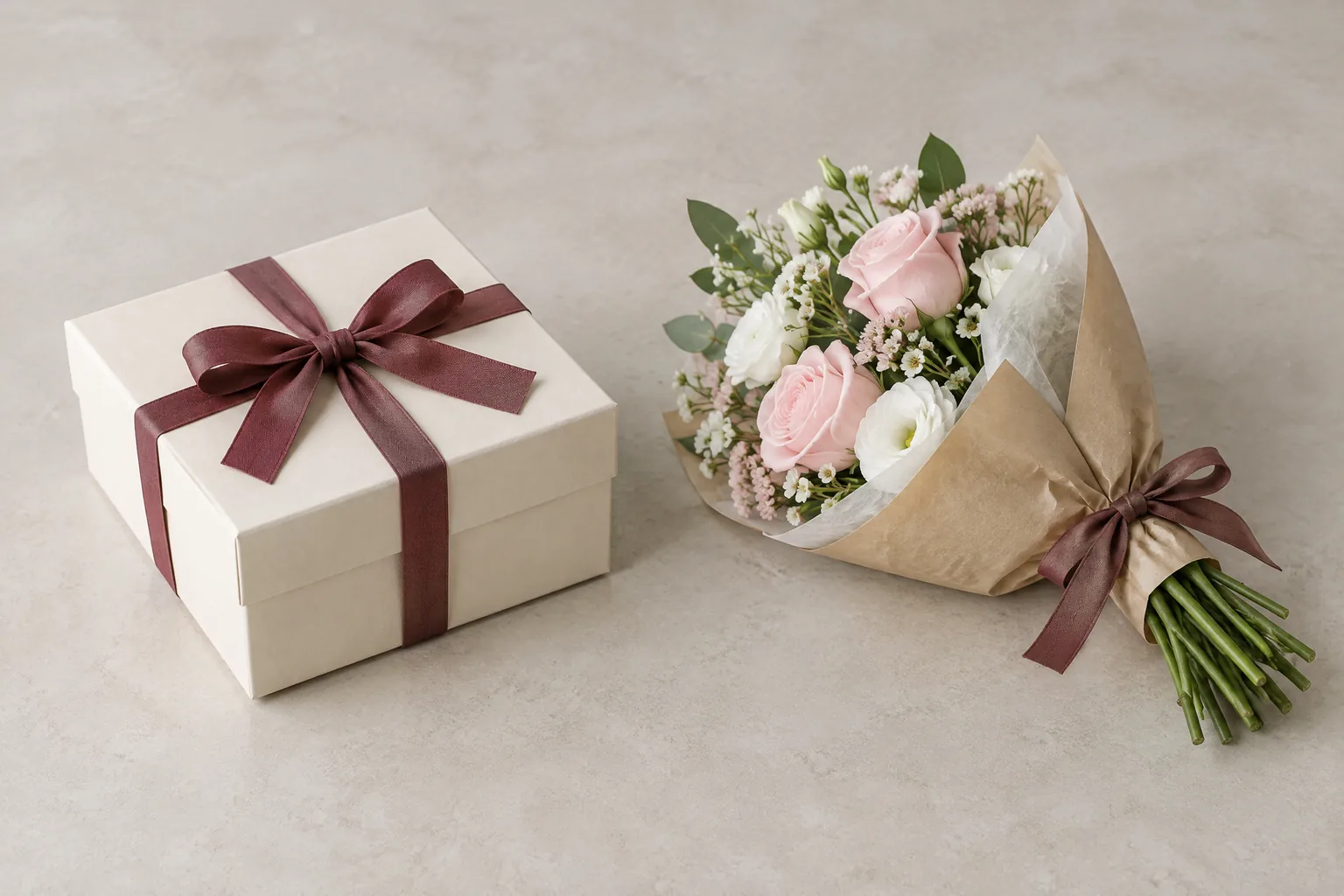
Full moon gift sets can help you discuss a celebration presentation once the parents have opted in. First clarify the direction of the gift: relatives sending something to the new family is different from parents sending thank-you boxes to other households. These should have separate lists and separate approvals. The number of presents received does not automatically determine how many return gifts the parents want to send.
If several relatives contribute, agree one budget and one person responsible for the later purchase. Decide whether the early gift already uses part of that contribution, rather than leaving people to assume there are two unlimited collections. If the gathering is postponed, check the merchant's change terms before altering an order. The family should not have to host merely because somebody has already bought food.
| Situation | Suitable window | Confirm before buying | If not confirmed |
|---|---|---|---|
| One specific item is needed now | Immediate support | Exact item, size, quantity and receiving adult | Leave the request pending |
| Adult treats are welcome | An agreed home handover | Ingredients, storage needs and who will receive them | Choose an approved non-food alternative or wait |
| The family wants a full-moon acknowledgement | Later celebration | Gift direction, preferred format and date | Keep the contribution unspent |
| Several relatives want to buy the same thing | Neither until coordinated | One buyer and remaining quantity on the shared list | Release duplicate reservations |
| The address or celebration date is uncertain | No delivery yet | Parents' approval and workable merchant arrangements | Send a message without a parcel |

Check item suitability and small parts
A newborn theme does not make every item an infant product
Hong Kong's Family Health Service says that in the first few months babies have breastmilk or infant formula, and that most are ready to try solid foods around six months. Fruit, biscuits and other solid foods in a newborn or full-moon hamper therefore should not be treated as food for the infant. Identify them as adult gifts, confirm the adults want them, and leave individual feeding decisions to the parents and their healthcare team.[1]
Hong Kong Customs advises consumers to follow toy age recommendations and not choose toys meant only for children over three for under-threes. It also warns against tiny toys and small removable parts that could be swallowed or inhaled. Ask for the age label and instructions of each proposed toy. A baby-themed basket name, soft appearance or decorative photograph is not evidence that every component is suitable for a newborn.[2]
Consider the packaging separately from the gift. The receiving adult should unpack it and keep ribbons, loose decorations and unused plastic bags away from the baby; Customs specifically advises disposing of unused plastic packaging bags because of suffocation risk. Ask the merchant to retain individual product labels and instructions. A toy intended for later use should remain identified as such, not be presented as ready for the baby now.[3]
For clothing, use the parents' requested size rather than guessing from the birth announcement. For skincare or feeding equipment, let them specify the product they want. Adult treats also need ingredient and storage information, particularly when the recipient has a dietary restriction. A special-diet label is not an allergen-free guarantee. If the contents cannot be checked clearly, remove the uncertain item instead of making a reassuring claim.
Respect quiet hours and no-visit requests
Receiving a gift need not include entertaining its sender
A delivery approval is not a visiting invitation. Ask separately before planning a doorstep greeting or bringing other relatives along. The parents may welcome the gift but want nobody to enter, or may prefer a helper to collect it. Make that distinction clear within the family so a parcel does not become an unexpected social appointment that they feel obliged to accept.
Ask for the family's preferred contact method and any times when calls or the doorbell should be avoided. Send these instructions to the merchant only as far as needed for the agreed delivery. Do not promise that a courier can follow a special request until it is confirmed. Where the proposed handover conflicts with quiet hours, change the window rather than telling the parents to make an exception.
The coordinator can handle relatives' updates across time zones. A short message saying that the order is arranged and no reply is needed is usually more useful than repeated requests for confirmation. Do not demand an unboxing photograph or a video call on arrival. A gift should not come with a requirement to display gratitude publicly or include the baby in someone else's announcement.
If the parents cancel a visit or delivery, respond with a practical question about postponing, not a discussion of how far someone has travelled or how much was spent. Tell other contributors about the change without sharing private reasons. The sender manages the merchant conversation. This keeps an alteration from becoming another round of decisions for the household receiving the gift.
Stop when the family has enough
Close the list instead of inventing another need
After the first agreed parcel arrives, mark it received and close fulfilled requests. Do not use a thank-you message as an invitation to start another order. If the parents say storage is full or they want no more gifts, the coordinator should tell relatives clearly. It is kinder to stop purchasing than to send items the parents must return, donate or keep out of politeness.
If a duplicate has already been bought, the sender should check exchange or cancellation options. Ask the parents whether they actually want a spare before sending it anyway. A possible future use is not the same as a present request. For personalised goods that cannot be changed, acknowledge the mistake without asking the family to create space or stage a photograph to make the purchase feel worthwhile.
The later window can also be closed. If the parents decide against a full-moon gathering, send the agreed card or message and leave any further offer open without a deadline. There is no need to replace a cancelled celebration with another event. Overseas relatives can maintain contact in the way the parents welcome, rather than using additional deliveries to demonstrate that they are still thinking of them.
Keep a brief final record for contributors: which agreed gifts were received, whether a later purchase remains approved, and who holds any unspent contribution. Do not turn it into an account of who was most generous. Once outstanding arrangements are settled, remove private delivery details from the shared list. The useful outcome is less work for the new family, not a perfectly matched collection of gifts.

- Get the parents' approval for immediate support and later celebration separately.
- Appoint one coordinator and record owned, reserved, ordered and received items.
- Confirm exact contents, required sizes and the quantity still wanted.
- Agree the Hong Kong local date, receiving adult and fallback before ordering.
- Check toy age labels and keep adult food separate from infant items.
- Respect quiet hours, privacy and any no-visit request.
- Close fulfilled requests and pause all purchases when the family says enough.
A well-timed newborn gift answers a need the parents have actually named. Coordinate one modest purchase for the first agreed handover, then ask again before a later celebration. Keep duplicates off the list, leave unconfirmed plans unbought and make changing the date easy. Relatives overseas can show care through patient coordination just as clearly as through a parcel; the family should remain free to welcome, postpone or decline it.
Should overseas grandparents order before the baby is born?
They can agree a contribution and reserve a requested item, but should ask before committing to a delivery date or personalised name. The family may already have bought essentials. If a pre-birth gift is welcome, record it on the same shared list so it is not forgotten when relatives plan the first post-birth parcel.
Can the same relative give something now and at full moon?
Yes, if the parents welcome both, but two windows do not require two purchases. Agree the overall contribution first and give each gift a distinct purpose. A requested practical item now and a card later may be enough. Check the wish list again rather than repeating the early hamper in a larger size.
What if the parents do not want a shared online wish list?
Use one trusted coordinator who keeps a private note of approved requests and reservations. Relatives can ask that person what remains available. The parents need only approve the useful items and timing; they do not have to join a group chat, reveal their address to everyone or maintain a shopping account.
Should I send one combined hamper for the baby and the adults?
Only if both parts are wanted and the individual contents can be checked. Label adult food clearly and retain product instructions for infant items. Separate parcels may be easier when the handover or intended recipient differs. A combined presentation should not pressure the family to accept unwanted toiletries, toys or food alongside one useful gift.
How do we respond when the celebration is postponed after ordering?
The person who placed the order should ask the merchant about the applicable change or cancellation terms promptly. Explain the available choices to contributors without blaming the parents. Do not redirect a food order to the family without permission. If no celebration gift remains useful, agree what happens to any refundable contribution.
Ask the parents which window, if either, they want. Then send the chosen merchant a precise contents and handover enquiry before placing an order.
Sources & supported claims
- Family Health Service: Healthy Eating for 6 to 24 month old children (1) Getting Started
In the first few months babies have breastmilk or infant formula; most are ready to try solid foods around six months. Newborn or full-moon hamper solid foods should not be treated as infant food.
- Hong Kong Customs and Excise Department: Toys and Children's Products Safety
Follow toy age recommendations; do not choose toys meant only for over-threes for under-threes; avoid tiny toys and small removable parts that may be swallowed or inhaled.
- Hong Kong Customs and Excise Department: Toys and Children's Products Safety
Dispose of unused plastic packaging bags because of suffocation risk.