
Baking & procurement
Content updated
On this page
Your hands-on kitchen course choice: close the right skill gap
The best hands-on kitchen course choice is the one that lets you practise the task you currently avoid. Choose cooking if preparing a meal and managing a pan are the problem. Choose baking if you want to understand weighing, mixing and judging a bake. Choose decorating if the cake itself is not your concern but smoothing icing or controlling a piping bag is. Before booking, ask what you will personally do, what the instructor will demonstrate and whether you can repeat the useful part at home. A finished dish alone does not answer those questions.
For a beginner seeking confidence rather than a certificate, the most useful comparison is between learning tasks, not impressive course names. Write down one modest outcome, find a session that gives you time to attempt it, and check how feedback works. Treat teaching language, equipment, prepared components and individual participation as details to confirm for the actual session.
Describe the confidence gap
Replace a broad ambition with one task you want to handle yourself.
Start with the last moment a recipe became difficult. Perhaps you could follow the ingredient list but could not decide when to lower the heat. Perhaps your cake baked acceptably but you could not cover its sides neatly. Those are different learning needs. Saying that you want to become better in the kitchen leaves too much room for a course to cover something you already manage, while missing the moment that stops you cooking again.
Write an outcome you could recognise without a photograph: prepare vegetables for a simple dinner, mix a small cake batter with guidance, or pipe a row of reasonably similar shapes. Keep the first outcome narrow. You are not promising to master a cuisine or produce a celebration cake after one afternoon. You are choosing a manageable task on which to receive an explanation, make an attempt and understand what to change.
Also decide whether this is primarily a social outing or a lesson. Neither purpose is inferior, but they lead to different trade-offs. A group activity may suit friends who want to make something together. A learner who freezes at a particular technique may prefer fewer recipes and more attention to that technique. If both matter, tell the provider which skill you do not want to lose within the social programme.
Separate cooking from baking
Look for the decisions you need to practise, not just the dish you like.
Cooking can be the closer match when your difficulty is organising preparation and responding to a pan as food cooks. YumYum’s Cooking Class page is a starting point for an enquiry, not a substitute for a session outline. Ask whether you will prepare ingredients and control the heat yourself, or whether those stages will be demonstrated. If your aim is a manageable weekday meal, explain that rather than requesting the most elaborate menu.
Baking is the more relevant direction when you want to work through ingredient quantities, mixing stages and oven results. When enquiring through YumYum’s Baking Class page, name the stage you need to understand. A session involving dough shaping is not automatically a lesson in cake batter, and finishing a baked item does not necessarily include making it. Ask where the recipe starts for participants and which decisions they make before the item reaches the oven.
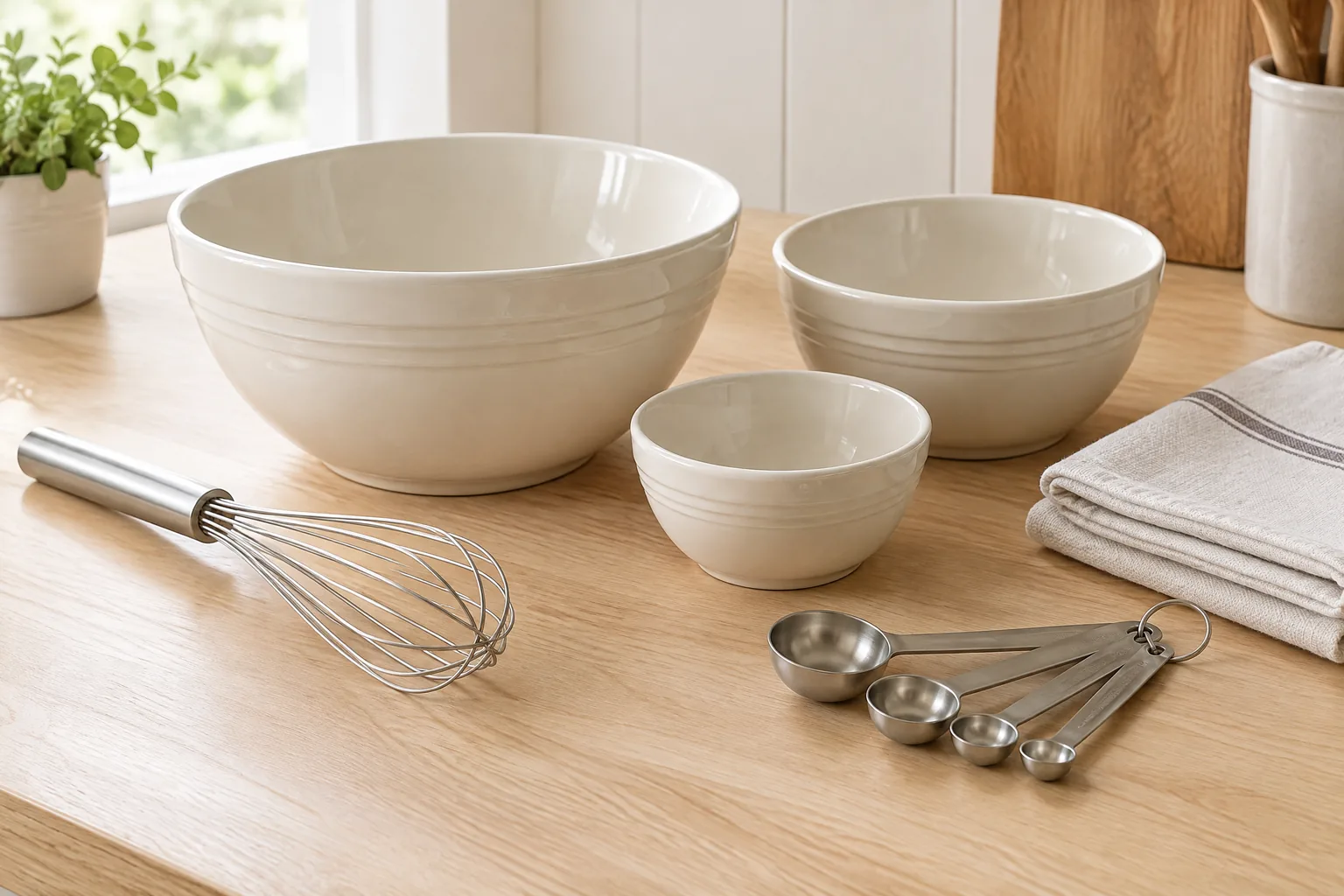
King Arthur Baking explains that flour measured by volume can vary with how densely it is packed, and recommends weighing it with a kitchen scale. That is a concrete reason to seek a lesson in measurement rather than assume every disappointing bake reflects poor mixing. Ask to practise setting the scale to zero and weighing the recipe quantity yourself. Follow the supplied recipe’s units instead of applying a cup conversion from an unrelated recipe.[1]
The distinction is not absolute: cooking also requires measurement, and baking also involves judgement. What matters is the task allocation in the particular lesson. Compare two course outlines by highlighting the actions you will perform. If the cooking option leaves all preparation to staff, it may not resolve your preparation gap. If the baking option supplies finished components, it may teach assembly well without addressing the batter that worries you.

Clarify decorating without baking
A prepared cake can be useful when finishing is the actual objective.
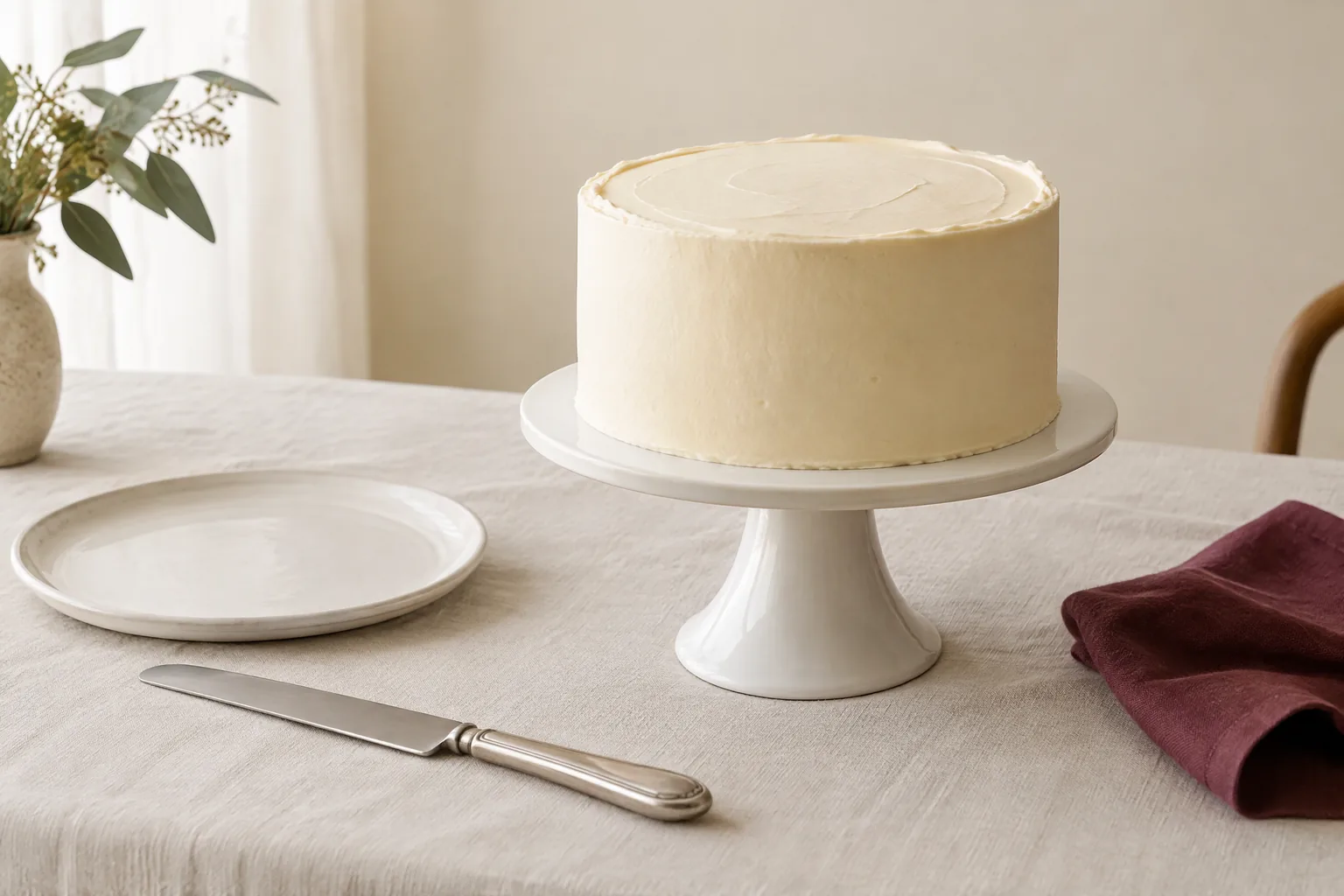
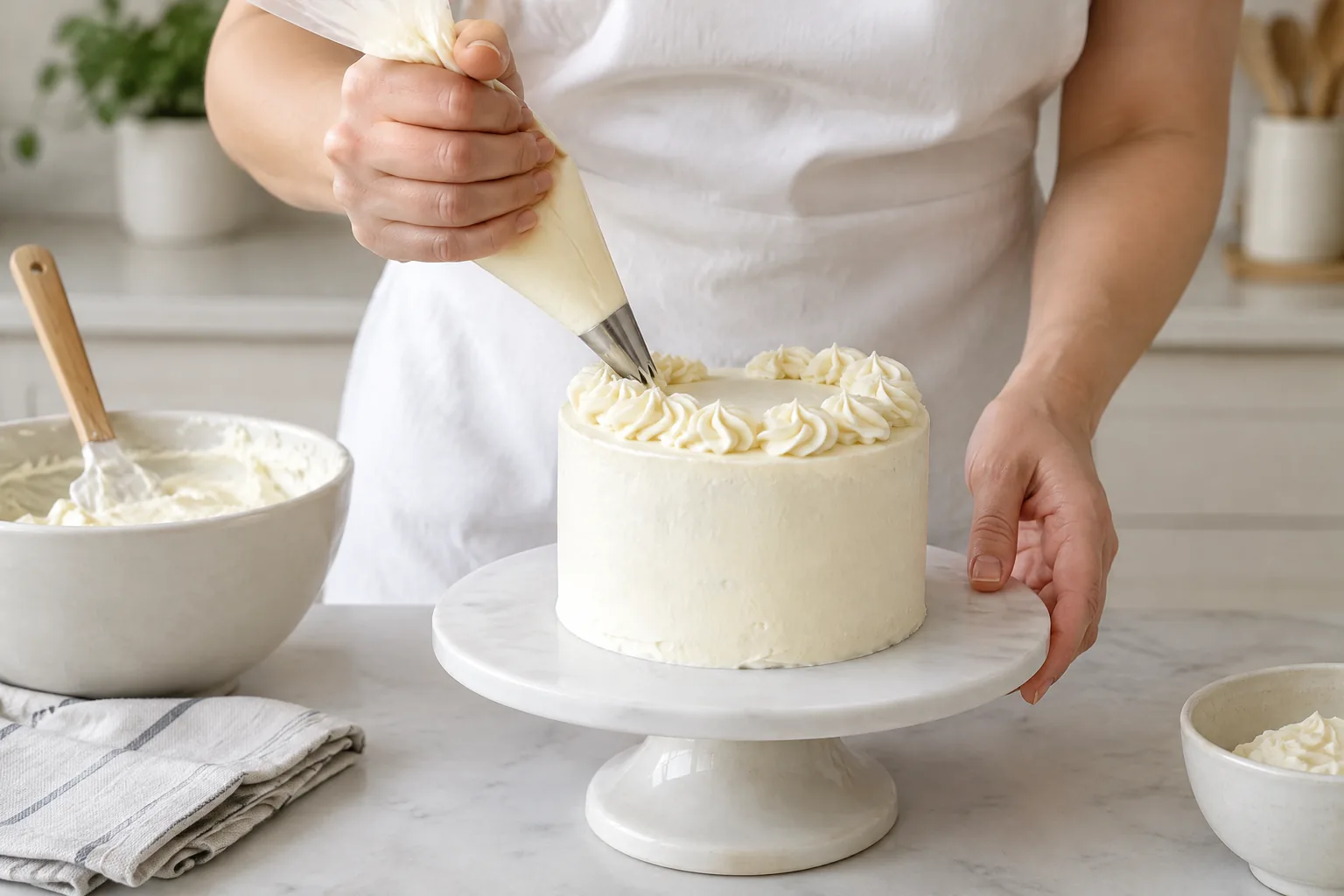
If your main frustration is an uneven coating or an uncontrolled piping bag, decorating may be the most direct choice. YumYum’s Cake Decorating Class destination can be used to ask about that direction, but confirm the actual syllabus. Find out whether the session covers coating, smoothing, piping or another finish, and whether the cake and icing are prepared in advance. Prepared components are not a drawback when they reserve time for the skill you want.
Separate a decorative result from a repeatable movement. Copying a complex design once may be enjoyable, but a beginner might value several attempts at a plain border more. Ask whether you can practise on a suitable practice surface before working on the cake, and whether there is material available for another attempt. A practice opportunity is more informative than a promise that everyone will leave with something attractive.
Choose a finish you actually want to use again. If you hope to decorate a small family cake, ask whether the tools and method translate to that size. If you dislike intricate work, do not select a detailed design only because its photograph looks impressive. You can learn the relationship between hand movement and a simple shape without committing to a highly elaborate project or buying a large set of specialist tools.
| Your priority | Direction to investigate | Evidence to request |
|---|---|---|
| Prepare a simple meal with less hesitation | Cooking with preparation and pan practice | Your own preparation tasks and time controlling heat |
| Understand an inconsistent cake or biscuit result | Baking with measurement and mixing | Personal weighing, mixing and explanation of recipe stages |
| Make a cake finish neater | Decorating with coating or piping | A specific finishing technique, practice material and feedback |
| Enjoy making something with a friend | A shared creative kitchen activity | How tasks are divided and what each person takes home |
Ask about instructor demonstrations
Watching is useful when you know what to notice and can try it afterwards.
A demonstration can show a movement that written instructions leave unclear. The question is what happens immediately afterwards. Will learners repeat the technique while the instructor can still observe them, or will the group move directly to the next stage? Ask about the sequence around your priority task. A short explanation followed by your own attempt may suit you better than a longer demonstration of several dishes you never handle.
Request the observable cue as well as the action. For mixing, you might want the instructor to explain what change they are looking for. For piping, ask to see the hand position and how the movement ends. For a pan technique, ask how the instructor decides to adjust the heat. These questions turn an impressive performance into something you can examine, without pretending that one visual cue applies to every recipe.
Check that you will be able to see and hear the relevant detail. A clear view of the work surface matters more than a flattering room photograph. Ask how demonstrations are shown to the group and whether questions are welcome during the explanation or afterwards. If you need a slower repeat of a movement, establish how that request is handled. Do not assume that recording a video is permitted; ask before taking photographs or filming.
Check personal practice and feedback
Find out who performs the difficult stage and who helps you adjust it.
The phrase hands-on does not tell you how work is divided. Two people might share one bowl, or each might make a separate portion. Either can work, but ask what each participant does at the stage that matters to you. If you want mixing practice, taking a turn only at decoration will not meet the goal. Agree with a friend beforehand that neither of you will take over simply to keep the result tidy.
Ask how feedback is delivered while there is still something you can change. Will the instructor watch your attempt, explain an adjustment and let you try again? A correction to your grip or sequence is different from someone quietly repairing the finished item. You need not insist that everything remain untouched: help can prevent frustration. Just clarify when the instructor will intervene and how you will learn from that intervention.
Do not judge learning only by the quantity you take home. One small item with a technique you understand can be more useful than several items assembled mainly by others. When comparing costs, consider the time and attention devoted to your objective, alongside ingredients, materials and what is included. Ask about the actual group size and support arrangements rather than assuming that a private session is always necessary or that a larger group cannot be worthwhile.
| Description you see | Question worth asking | Decision it helps you make |
|---|---|---|
| Demonstration included | Will I repeat my priority technique afterwards? | Whether watching leads to personal practice |
| Hands-on session | Which stages does each participant complete? | Whether the difficult task is yours to attempt |
| All equipment provided | What tools will I need to repeat this at home? | Whether the method fits your own kitchen |
| Beginner friendly | What prior skills are expected for this recipe? | Whether the starting level suits you |

Confirm language and equipment needs
Make sure you can follow the lesson and use its methods afterwards.
An English webpage does not establish that a particular class is taught in English. Confirm the spoken teaching language, the language of recipe notes and whether questions can be answered in the language you need. It helps to describe a practical situation: could you ask why your mixture looks different and understand the reply? Ingredient names on a bilingual sheet are useful, but they do not replace an explanation you can follow.
Tell the provider what you have at home before choosing an equipment-heavy project. A learner with a small oven and hand tools needs to know which stages depend on the studio’s equipment. Ask for the tools needed to repeat the recipe, including the relevant tin size or piping attachment. Do not assume that a machine-based method has an interchangeable hand method. If there is an alternative, ask the instructor to explain it for that recipe.
Food handling belongs within kitchen confidence too. Hong Kong’s Centre for Food Safety includes keeping hands and utensils clean, separating raw and cooked food, cooking thoroughly and maintaining safe temperatures among its Five Keys to Food Safety. Ask how those practices are explained during preparation and how finished food should be handled afterwards. Learning a recipe does not remove the need to understand its storage and take-home requirements.[2]
Raise dietary requirements before payment, not when ingredients are already set out. Ask about the full recipe and the handling arrangements that matter to you. A vegetarian or other dietary label alone is not an allergen-free guarantee or certification. Also mention practical access needs, such as difficulty standing for a whole session. Confirm what can actually be accommodated rather than relying on a general welcome message.
Plan a realistic next practice
Choose a lesson whose useful part can fit into your ordinary kitchen.
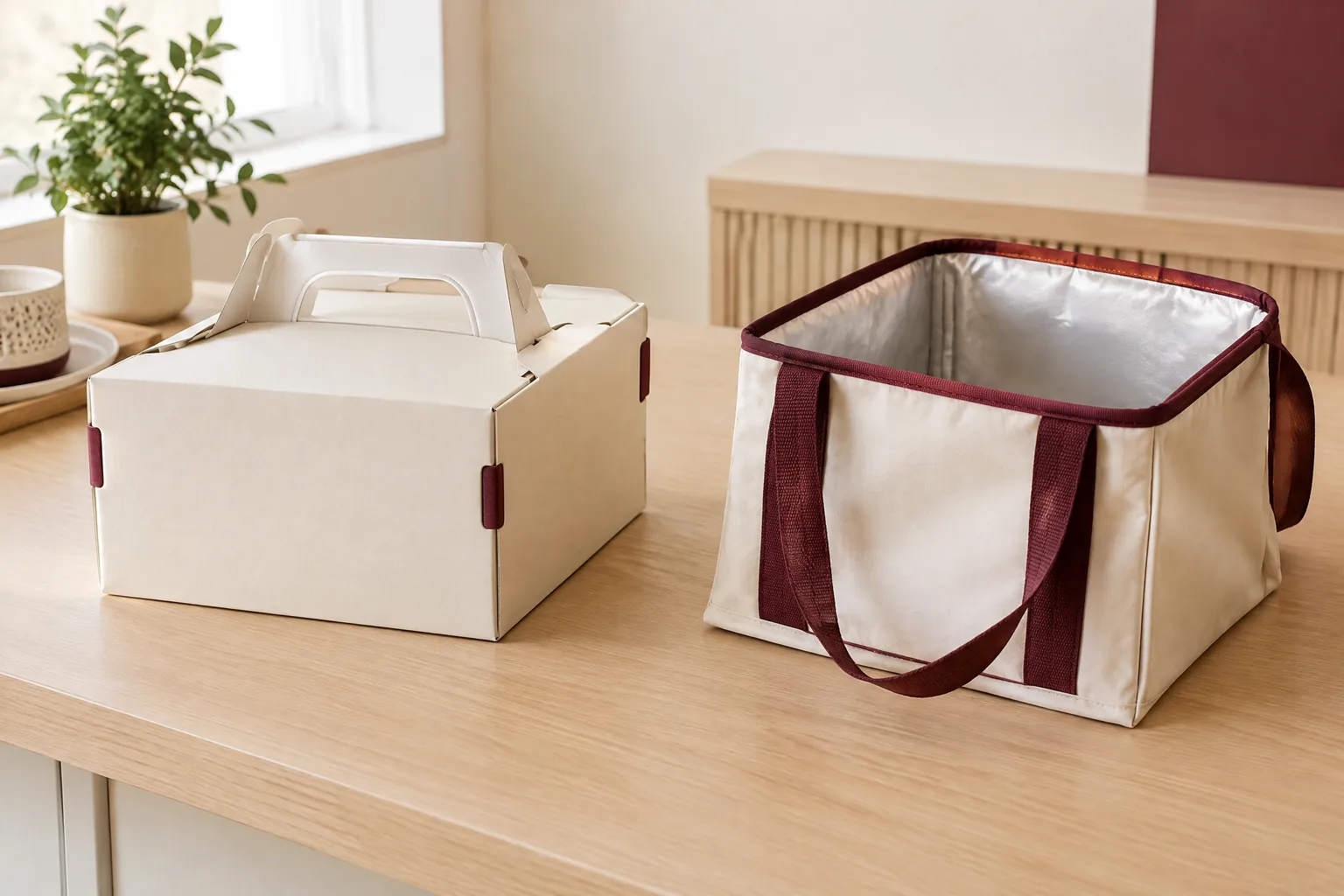
Before booking, imagine repeating the priority skill on a normal evening or weekend. Can you obtain the ingredients in a sensible quantity? Is there space to work and time to complete the recipe? If the whole project is unrealistic, ask whether there is a smaller suitable version or a separate practice exercise. Do not scale a recipe casually and assume that equipment, timing and results will remain unchanged.
During the lesson, note the point at which you hesitated and the explanation that helped. A useful note might describe how you held a scraper or which stage needed the instructor’s attention. Ask permission before photographing an intermediate result, then connect the image with the recipe step. A finished photograph can record what you made, but an intermediate note is often the more useful reminder of what you were trying to understand.
For the first home attempt, keep the supplied method and change as little as practical. Record what happened before trying a different ingredient or several new techniques together. If the result is disappointing, those notes give you a clearer question for any follow-up support the provider actually offers. Decide about another course after that attempt: you may need a second lesson on the same movement, or discover that your next gap is somewhere else.
- Write one task you want to attempt more confidently after the session.
- Confirm which preparation, baking or finishing stages you personally perform.
- Ask how demonstrations lead to practice and individual feedback.
- Check teaching language, recipe-note language and prerequisite skills.
- Compare the repeat-at-home equipment with what your kitchen contains.
- Resolve dietary, access and finished-food handling questions before payment.
- Read the actual session inclusions and booking terms before committing.
Choose the course by the moment you want to handle better, then check that the session gives you that moment to practise. Cooking, baking and decorating can each be a good beginning, but they solve different problems. The strongest first lesson is not necessarily the most ambitious project. It is one whose key movement or decision you understand well enough to attempt again in your own kitchen.
Should a complete beginner learn cooking before baking?
Not necessarily. Start with the activity you want to repeat and check the entry requirements for that session. If you want to make a simple cake, a suitable beginner baking lesson may be more relevant than a menu-based cooking activity. If daily meals are the concern, preparation and pan work are the closer match. Neither course title establishes the actual starting level.
Is a decorating lesson worthwhile if I cannot bake a cake yet?
Yes, if finishing is your chosen goal and prepared cakes are part of the confirmed format. You can focus on coating or piping without needing to learn every production stage at once. Be clear about the limit: decorating a supplied base does not teach you to bake that base. Ask what component and recipe information you receive for future practice.
Can sharing a workstation still give me enough practice?
It can, provided the task split includes your priority technique. Ask whether both participants repeat it or whether one person performs it for the pair. A shared finished item is not evidence of equal practice. If you attend with a more experienced friend, explain that you want to make your own attempt rather than have them complete the difficult movement for you.
Do I need a certificate to know the course was useful?
For a personal confidence goal, assess the skill you can explain and attempt afterwards. Attendance paperwork alone does not establish competence or an accredited qualification. If formal recognition later becomes important, investigate the awarding organisation, assessment and recognition separately before booking. For this first choice, a clear task and useful feedback are more relevant than a certificate photograph.
What if I need the instructor to fix my work?
Help does not make the lesson a failure. Ask the instructor to explain what they are changing and, where the format allows, let you repeat the movement afterwards. The useful distinction is between understanding a correction and leaving with a repaired item you cannot reproduce. You can still gain confidence from one clearly understood adjustment even when the final result needs assistance.
Send the course provider your single learning goal and ask for the actual session outline, personal task allocation, teaching language and home equipment requirements. Book only when those answers fit the practice you want.
Sources & supported claims
- King Arthur Baking: How to measure flour the right way
Flour measured by volume can vary with packing density; King Arthur recommends weighing flour with a kitchen scale.
- Hong Kong Centre for Food Safety: Five Keys to Food Safety
The Five Keys include keeping hands and utensils clean, separating raw and cooked food, cooking thoroughly and keeping food at safe temperatures.