
Flowers & thoughtful arrangements
Content updated
On this page
- Ask the patient whether gifts are welcome
- Check the rule for the actual ward
- Treat food permission as a separate conversation
- Get a contents list before approving a mixed gift
- Consider who will unpack, store and remove it
- Agree a handover and a refusal plan
- Choose home delivery or no-object support only by agreement
- Questions & answers
- Sources & supported claims
Check hospital flower gift rules before sending a mixed basket
Before sending a basket to someone in hospital, ask whether they want a gift and check their ward's current permissions. The key to hospital flower gift rules is not finding a supposedly suitable bloom: it is establishing whether flowers are allowed at all. A basket containing fruit or other food needs a separate food check with the care team. If either answer is unclear, wait. A kind message is preferable to a surprise that the patient or their family must remove.
Treat a combined gift as two decisions, not one attractive package. The patient decides whether it is welcome; ward staff confirm what may enter the clinical area; the care team advises on food suitability. Only then should you discuss exact contents and handover arrangements with a seller. Permission for flowers never automatically covers food, or the reverse.
Ask the patient whether gifts are welcome
A considerate offer leaves room for a genuine no
Start with a small question rather than a product photograph: would they prefer a message, something practical, or no gift just now? A photograph of an elaborate arrangement can make declining feel awkward, especially when colleagues have already contributed money. Do not treat silence as agreement. If the patient is not responding, ask their nominated contact whether enquiries are welcome, without pressing for medical details or asking them to secure permission as a favour.
Separate wanting company from wanting possessions. Someone may welcome a short visit but dislike receiving anything they must carry home. Another person may enjoy a card while preferring no visitors. Ask whether you may contact the nominated family member about practical arrangements, and agree who will give the final answer. This avoids several friends contacting different relatives and interpreting a tentative suggestion as approval for a large group gift.
For a workplace collection, keep the proposed gesture private until the recipient or their contact agrees. Offer an easy alternative before collecting money, such as one shared message delivered through an agreed channel. If money has already been collected, resolve refunds or a different use within the group rather than making the patient choose an unwanted item. Their admission is not an invitation to disclose their condition or circulate their hospital location.

Check the rule for the actual ward
Small, unscented or self-contained does not mean permitted
The NHS guidance on visiting someone in hospital says many hospitals do not allow flowers on wards or in other clinical areas, and tells visitors to check with ward staff before bringing or sending them. That is UK guidance, not a blanket rule for Hong Kong. Its useful lesson is to ask the receiving ward directly. A hospital's general visiting page, or a friend's experience on another floor, does not establish permission for this patient's location.[1]
Describe the proposed item precisely when asking: fresh cut flowers, flowers supported in wet foam, a potted plant, or a non-fresh decoration. Do not assume that a rule about one form covers another. Ask whether a permitted item can remain beside the patient and whether a size limit applies. If staff say no, accept the answer rather than suggesting that a discreet handover or leaving the arrangement outside the room would solve it.
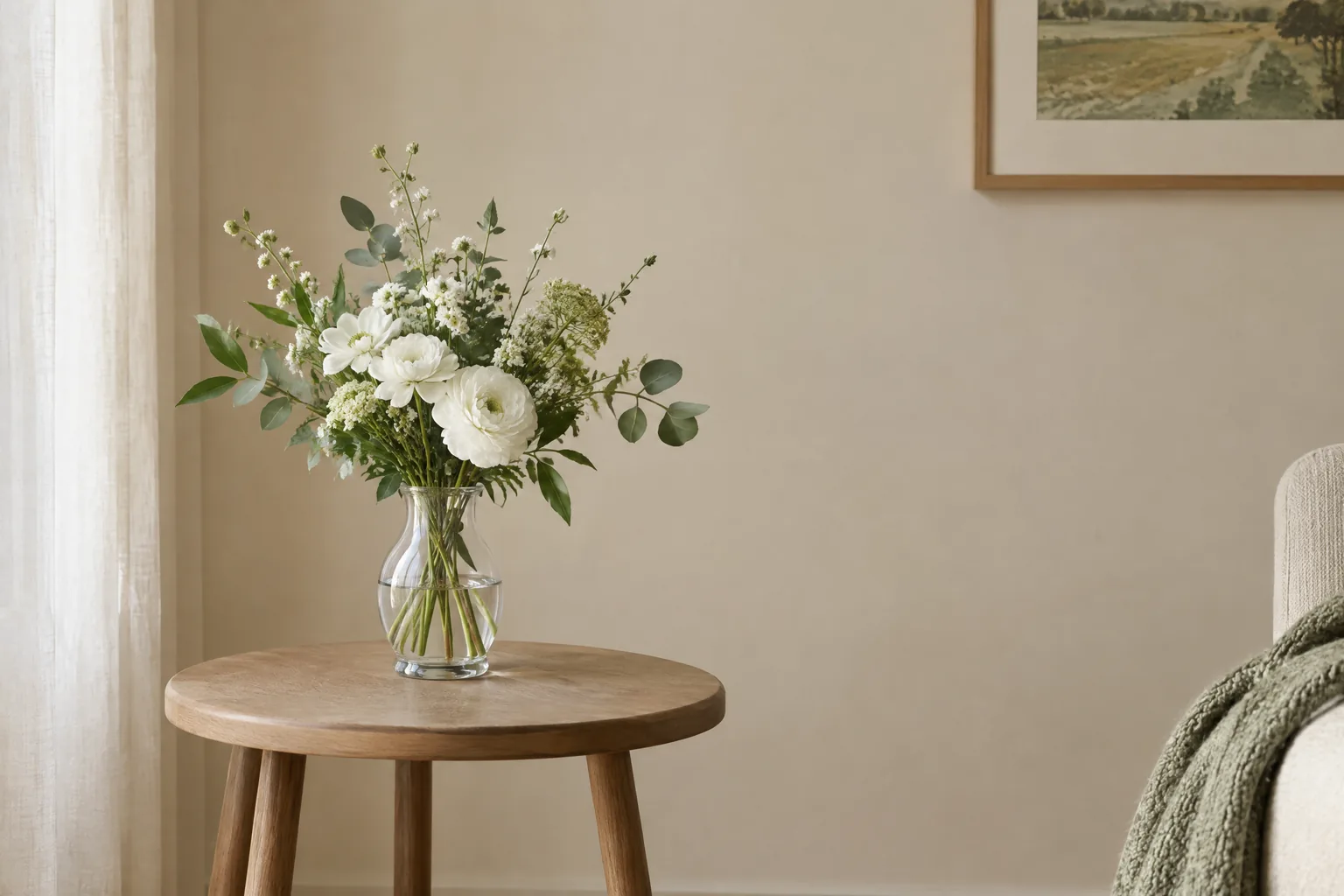
If you are comparing flower baskets, use the designs to understand their footprint and construction, not as evidence of hospital approval. A compact container still contains flowers and may need water or ongoing attention. A seller's description such as low fragrance cannot cancel a ward restriction. Once permission is established, ask for finished dimensions, including foliage extending beyond the basket, so that the size you discuss with staff matches the item you would actually send.
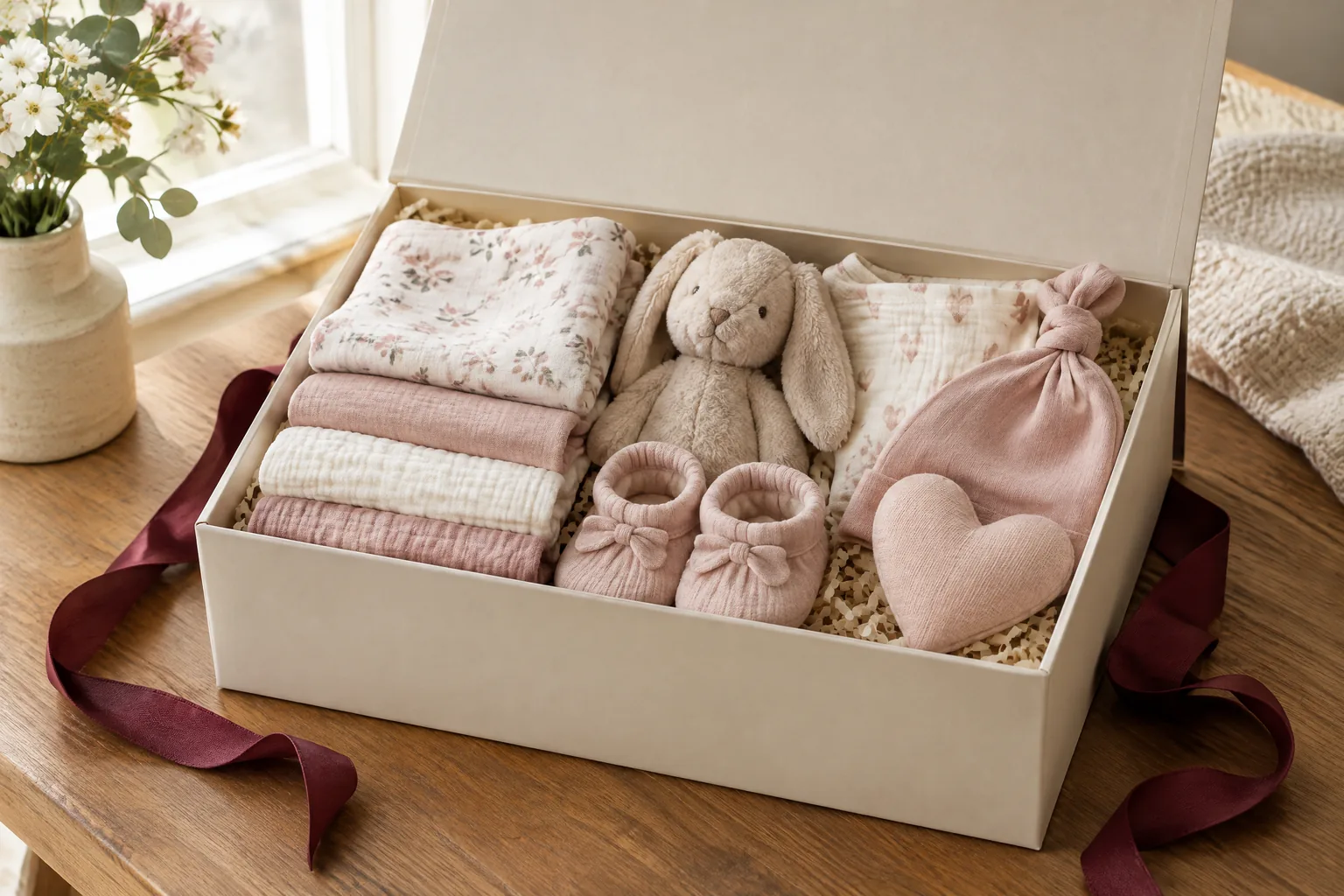
Treat food permission as a separate conversation
Fruit is food, even when it is part of the decoration
Gleneagles Hospital Hong Kong does not recommend bringing food to patients. Its published guidance says that, if food is necessary, visitors should seek advice from the ward nurse, dietitian or speech therapist before planning it, particularly where a special diet or swallowing problem is involved. This is a named hospital's guidance, not an approval system for every Hong Kong ward. Ask the patient's own team what, if anything, is appropriate before selecting food for the basket.[2]
Be specific about what needs an answer. Whole fruit, prepared fruit, biscuits and drinks are different proposals; permission for one is not permission for all. Gleneagles lists fresh unpeeled, uncut fruit among examples that can be brought, but that list does not show that a particular patient should eat it. Ask about the actual item and required preparation. Do not choose foods by guessing from a diagnosis, or encourage the recipient to set aside their care team's advice.[3]
A familiar dietary label cannot do this checking for you. Terms such as vegetarian or a named special diet do not establish certification, allergen absence or suitability for the patient. Where the team permits an item but ingredients matter, obtain the ingredient information for that exact product and ask the appropriate professional to resolve uncertainty. Avoid adding supplements, tonics or products presented as helping recovery. A gift should not create an expectation that the recipient will consume it.
| Proposed gesture | Confirmation needed | If the answer is unclear |
|---|---|---|
| Flowers only | Patient consent; permission for the exact floral format and location | Do not send flowers; offer a message |
| Food only | Patient consent; ward permission; care-team advice on the actual item | Wait rather than choosing a supposedly healthy substitute |
| Flowers with food | Both sets of checks; full contents list; agreed handling | Remove unapproved components only if the revised gift is accepted |
| Delivery to the home instead | Household consent; someone willing to receive and manage it | Do not redirect without asking |
| Message without an object | A welcome communication channel and appropriate privacy | Use the nominated contact or give the person space |
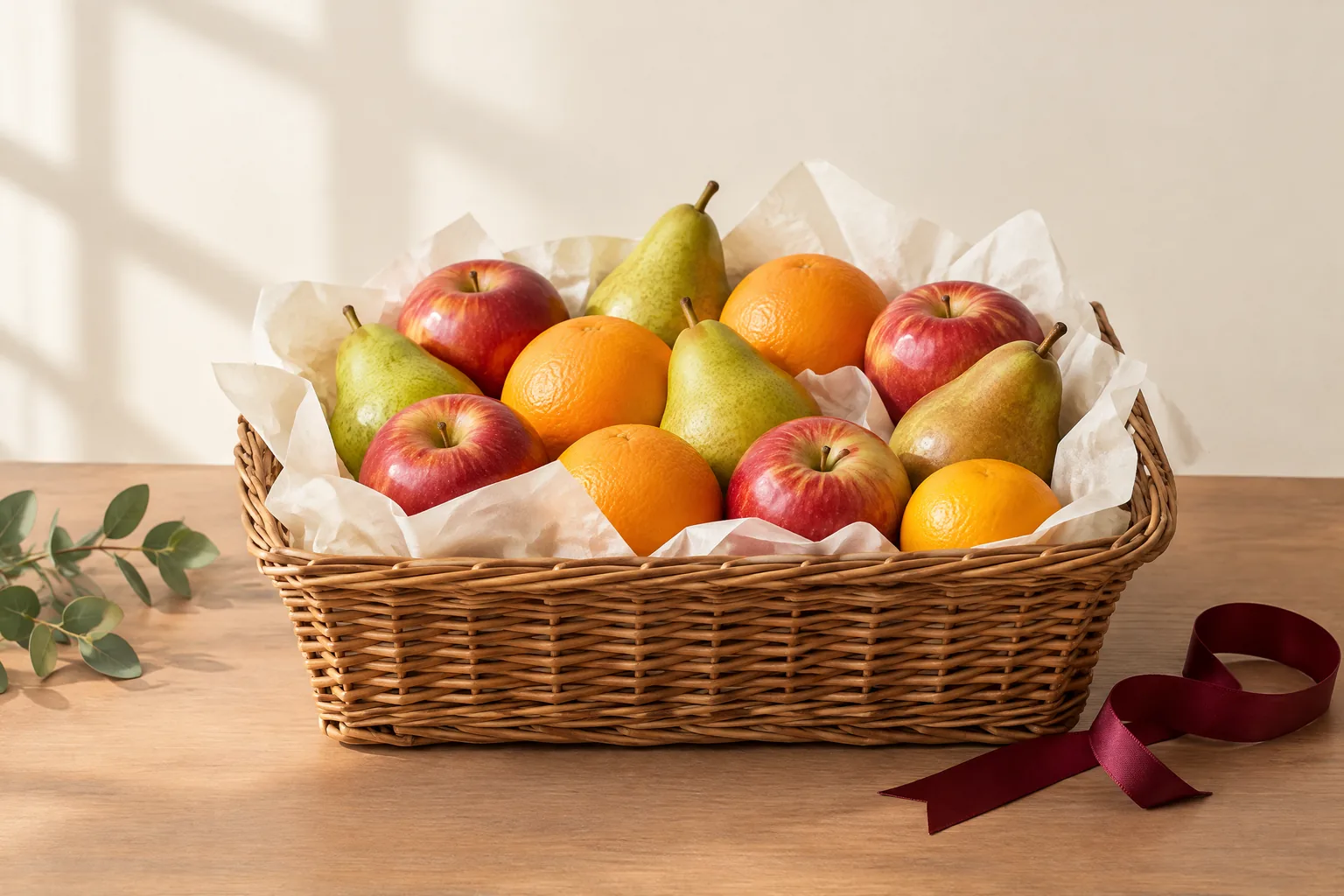
Get a contents list before approving a mixed gift
The package name is not a usable specification
The term floral hamper can describe flowers paired with different complementary gifts; it does not identify a fixed contents list. Ask the seller to name everything included, including decorative additions that might otherwise be overlooked. Request the food product details and the floral format separately. If an example image contains an extra bottle or snack, establish whether that item is included rather than assuming it is merely a prop. Keep unapproved extras out of the order.
A flower and fruit basket needs a clear fruit list as well as flower details. Record whether fruit arrives whole or prepared, how much there is, and whether it can be removed without dismantling the arrangement. Ask how the food is packed separately from floral materials and water. These questions help establish what will be handed over; they are not proof of food safety or permission. If the seller cannot provide the information needed for the ward's decision, choose something else.
Set substitution limits in writing. A replacement fruit, added confectionery or different floral construction can make an earlier confirmation irrelevant. Ask the seller to contact you before changing an approved component, and explain that you may need to check again with the family or ward. Do not give broad permission for an upgrade because it sounds generous. A smaller confirmed gift, or no physical gift, is more useful than a larger package whose contents nobody has agreed to receive.
Consider who will unpack, store and remove it
Receiving a gift includes the work that follows
Imagine the first hour after handover. Who will open the wrapping, put food where it belongs and find a place for the floral container? Do not assign those tasks to nursing staff by default. Ask the nominated contact whether someone has agreed to manage them, and whether the patient has a suitable space without displacing things they need. If your plan relies on staff finding a vase or reorganising the bedside area, simplify the gift.
Food storage needs its own practical answer. Before including anything requiring refrigeration, establish whether the ward permits it and whether approved storage is actually available. A fridge somewhere in the building is not an arrangement for your gift. Likewise, fruit that needs washing or peeling creates a preparation task. Choose only what the care team permits and what the agreed helper can manage, without turning the patient into the organiser of your gesture.
Think beyond the first day. Someone must remove wrapping, deal with declining flowers and carry any remaining container when the patient leaves or moves wards. Ask whether a relative has room and willingness to do that; do not assume a family car or spare luggage exists. If several people are sending gifts, one nominated organiser can ask whether anything else is wanted. Avoid competing arrangements that collectively create more clutter than any sender intended.

Agree a handover and a refusal plan
A hospital address alone is not enough
Confirm where a permitted delivery may be accepted and by whom. Visiting hours do not necessarily describe courier access, and a reception desk is not automatically a holding service for gifts. Ask whether the seller can follow the confirmed handover arrangement before placing the order; do not assume any brand offers that service. Provide an authorised contact who has agreed to be reachable, rather than expecting the patient to answer delivery calls during treatment or rest.
Use only the patient details you have permission to share. Gleneagles Hospital Hong Kong's visitor information states that room and bed numbers are not disclosed to visitors to protect patients' privacy. Obtain any authorised handover details from the patient or their nominated contact instead of assuming reception will supply missing information. Put only necessary delivery information on the outer label. Keep a diagnosis, treatment description and personal recovery message off packaging that others may see.[4]
Agree what happens if the patient has moved, been discharged or no longer wants the gift. Ask the seller what changes or cancellation are possible and confirm any applicable terms; do not assume a refund or redirection is available. A failed handover must not become an instruction to leave perishables unattended or persuade staff to accept them. If there is no workable fallback, postpone ordering until the destination is sufficiently clear.
Choose home delivery or no-object support only by agreement
A different destination is a fresh decision
Home delivery can be an option if flowers are not allowed on the ward, but it is not an automatic workaround. Ask whether anyone at home wants the gift, can receive it and has space for it. A family member travelling between home and hospital may not want another delivery to manage. Do not send it to a neighbour or a workplace without consent, or assume the patient wants their admission explained to someone accepting the package.
If the patient prefers to wait until discharge, let them set the timing. An expected discharge date is not a request for a surprise arrival that evening. Ask later whether they would like anything and what would be useful, rather than keeping a prepaid gift ready to dispatch on a rumour. Home recovery can involve different practical arrangements from a hospital stay, so earlier preferences about food, visitors or gifts should not be treated as permanent instructions.
A short message may be the best support available now. Try a plain expression of care with no demand for an update: you are thinking of them, and no reply is needed. If practical help is appropriate to your relationship, offer one specific task they can decline, such as collecting an agreed item for the household. Do not promise recovery, ask for a bedside photograph, or turn a gift into a reason for a longer visit.
- Ask whether the patient wants a physical gift and who may confirm arrangements.
- Check the receiving ward's current rule for the exact flower or plant format.
- Obtain separate advice about every proposed food item before ordering.
- Request the actual contents, finished dimensions and substitution limits in writing.
- Agree who will unpack, prepare, store and eventually remove the gift.
- Confirm an authorised handover contact and what happens if delivery is refused.
- Choose a message or wait if any essential permission remains unclear.
The most considerate hospital gift is one the recipient welcomes and the ward can accept without extra work. A mixed basket has no single permission that covers everything inside it. Check flowers and food separately, establish who will manage the contents, and be ready to send nothing physical. Respecting a refusal is part of expressing care, not a failure to do so.
Does a flower ban also cover preserved flowers or artificial arrangements?
Ask the ward about the exact alternative; do not interpret the rule yourself. A non-fresh arrangement may still be an unwanted object in the clinical area, and a potted plant is not equivalent to cut stems. If staff cannot confirm an alternative is allowed, send neither. A different material is not a reason to bypass their decision.
Can I remove the flowers at reception and send up the fruit?
Only consider a fruit-only gift if the patient wants it and the ward and care team have confirmed the food proposal. Removing flowers does not establish that the fruit is suitable. Do not ask reception staff to dismantle or redistribute your package. Arrange any agreed change with the seller before dispatch.
The patient loves fruit. Is their agreement enough?
Their preference matters, but it does not replace ward rules or advice about their current food requirements. Ask their nominated contact to check the specific fruit proposal with the care team. You do not need access to their medical history; you need a clear answer about whether the proposed gift is appropriate now.
What if colleagues have already ordered a large basket?
Contact the seller promptly to ask what changes are possible under the actual order terms. Tell the group to stop arranging additional gifts while one person checks consent and permissions. Do not ask the patient to accept the basket because money has been spent. If delivery cannot proceed, resolve the order within the group.
Should I ask the hospital to keep the gift until the patient returns?
Do not assume the hospital can store it. Use only a holding arrangement that the relevant staff have expressly agreed to, with someone responsible for collection. If the destination or timing has become uncertain, speak to the seller about the available options instead of leaving the package and making it the ward's problem.
Before buying, ask the patient or their nominated contact what support is welcome. Check the actual ward's rules and seek care-team advice about food. If permission is uncertain, send a brief message without expecting a reply.
Sources & supported claims
- NHS: Visiting someone in hospital
UK NHS visitor guidance says many hospitals do not allow flowers on wards or other clinical areas and advises checking with ward staff before bringing or sending flowers; this is not a Hong Kong-wide rule.
- Gleneagles Hospital Hong Kong: Guidelines for Bringing-in Food by Relatives or Visitors into Hospital
Gleneagles does not recommend bringing food to patients; if necessary, visitors should consult the ward nurse, dietitian or speech therapist before planning, with attention to special diets and swallowing problems.
- Gleneagles Hospital Hong Kong: Food examples and handling guidance
The hospital's examples of food that can be brought include fresh fruits unpeeled and uncut; this list does not establish suitability for an individual patient.
- Gleneagles Hospital Hong Kong: Visiting Information for Patients and Visitors
The hospital states that room and bed numbers will not be disclosed to visitors to protect patients' privacy.