
Baking & procurement
Content updated
On this page
- Choose one specialist learning goal
- Ask about macaron practice and feedback
- Keep pet-baking advice within veterinary boundaries
- Compare real travel and venue details
- Check cake-decorating course scope
- Calculate the whole attendance burden
- Plan a realistic next practice and trip home
- Questions & answers
- Sources & supported claims
A specialist baking weekend: compare the full course effort
Choose a specialist baking weekend by the skill you want to practise again, then compare the whole commitment rather than the advertised class length. A macaron session may suit someone seeking feedback on batter; a pet-focused workshop needs separate ingredient and veterinary checks. Kwun Tong and wider Kowloon listings help you start an enquiry, but the useful comparison is between confirmed sessions: what you personally do, where you attend, what you carry home and what another attempt will require.
A worthwhile course leaves you with a specific improvement you can recognise, not just a finished box. Prioritise the learning stage that matters, allow for the journey and packing, and price only the home equipment you genuinely need. For pet baking, learning a technique does not establish that the result suits your animal or replaces its normal diet.
Choose one specialist learning goal
Decide what would make the weekend worthwhile before comparing listings.
Write a single practical aim before looking at photographs. You might want to recognise when macaron batter is ready, make evenly sized shells, or pipe a controlled border on a cake. These are different reasons to attend. If your aim is simply a relaxed afternoon with something to take home, say so: a tightly technical session is not automatically better value for that purpose.
Separate a recipe you would like to eat from a process you want to learn. An elaborate finished design may rely on prepared components, while a less striking result could involve more individual mixing and troubleshooting. Neither arrangement is inherently wrong. The question is whether the difficult part you came to practise happens in your hands or mainly in the instructor's demonstration.
Consider how you learn when something goes wrong. Some hobbyists want close correction during their first attempt; others prefer a demonstration followed by independent work. Ask how the chosen session handles an uneven tray or an unsuccessful mixture. A teacher explaining the cause may serve your long-term goal better than quietly replacing your work to protect the final appearance.
| Your main aim | Confirm before booking | Reason to choose something else |
|---|---|---|
| Judge macaron batter | Personal mixing time and feedback on texture | You only want to assemble or decorate finished shells |
| Make a pet-focused treat | Species, full recipe and your vet's advice where needed | Ingredients remain unclear or conflict with the pet's diet |
| Improve cake finishing | Which surfaces or piping movements you repeat yourself | Your real problem is baking the sponge |
| Enjoy a one-off weekend activity | Participation, pace and take-home arrangements | The technical intensity is more than you want |
Ask about macaron practice and feedback
Look beyond the number of flavours or finished pieces.
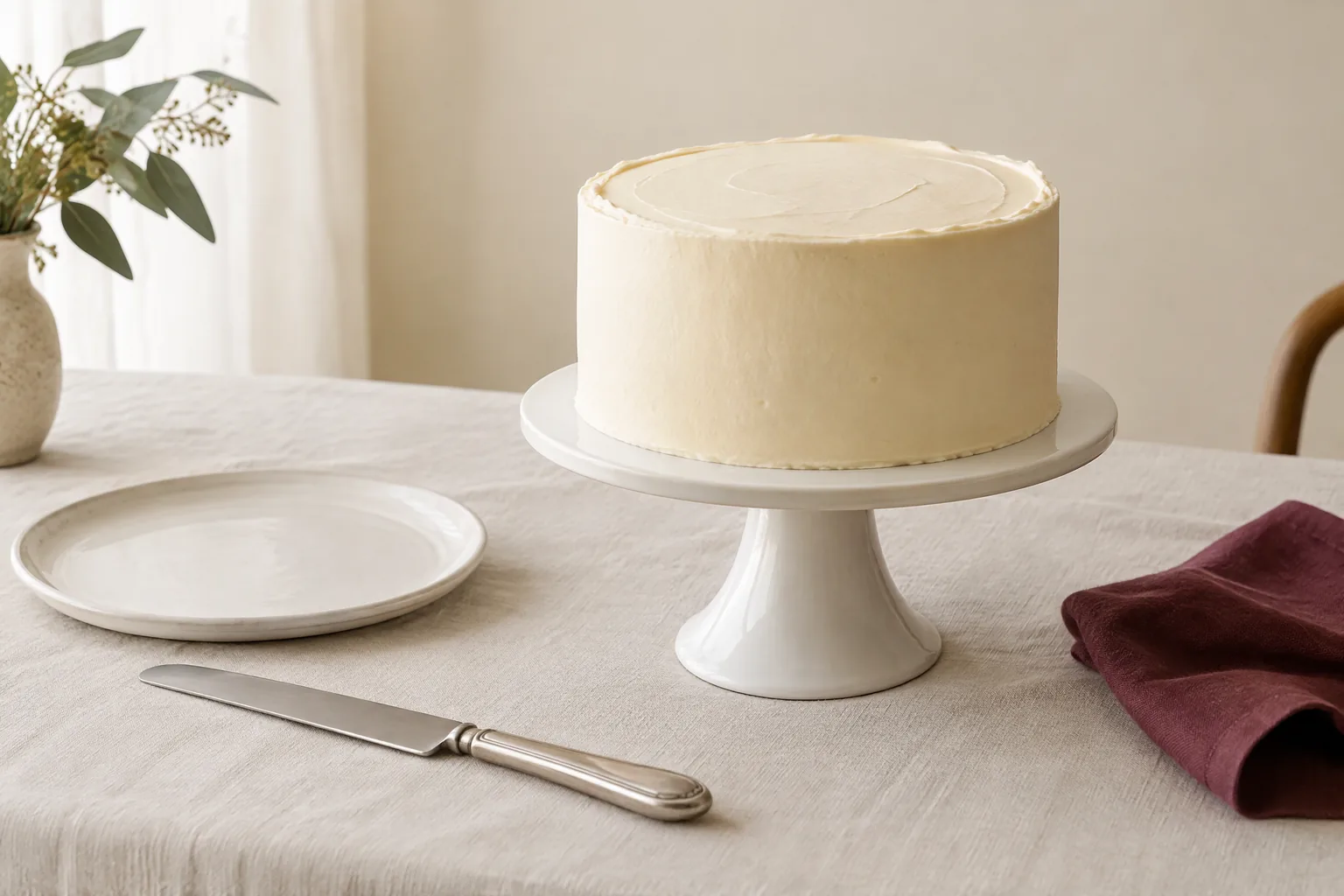
Use the Macaron Baking Class page to begin a focused enquiry about mixing, piping and assembly. Ask which of those stages each participant performs, whether a batch is shared, and when individual feedback happens. A shared bowl can still be instructive, but taking one turn with a spatula is different from judging the development of your own batter from beginning to end.
King Arthur Baking explains that macaronage means folding almond flour and confectioners' sugar into whipped meringue. Its guidance describes batter becoming smoother, shinier and more fluid, with a continuous ribbon that merges smoothly into the surface as a readiness cue. This illustrates why seeing and discussing texture is a meaningful learning goal, rather than simply memorising a number of folding strokes.[1]
Find out whether you can observe the batter before and after correction. If the instructor takes over at a crucial moment, ask whether they explain what changed and let you check the result. For piping, useful feedback could concern your bag angle, pressure or spacing. You need not master every stage in one afternoon, but you should know which stage receives sustained attention.
Ask what happens during resting, baking and cooling. These periods may become useful discussion time, or they may simply be waiting time; do not assume either. If your main difficulty is an inconsistent home oven, mention it before booking and ask what advice the course can realistically provide. A studio success is encouraging, but it does not prove that the same settings will suit your equipment.

Keep pet-baking advice within veterinary boundaries
A workshop is a learning activity, not approval for an individual animal.
The Pet Baking Class page provides a starting point for questions about pet-focused recipes and techniques. Begin with the intended species and the exact recipe, including the topping and any optional decoration. Ask to see the full ingredient information before committing. A general pet label, a natural-ingredient description or an attractive animal-shaped biscuit does not establish suitability for your own dog or cat.
The US Food and Drug Administration warns that xylitol can poison dogs and may occur in some nut butters and baked goods. It advises checking ingredient labels, including nut butter offered to dogs. That makes checking the actual product more useful than accepting an ingredient category such as peanut butter. If you suspect your dog has eaten xylitol, contact a vet or emergency veterinary clinic immediately.[2]
Do not turn that one warning into an improvised list of approved ingredients. Suitability depends on the animal and the recipe, and a substitution can change what you are making. If your pet has a prescribed diet, a known allergy or a health condition, take the proposed ingredients to its vet before the session. A workshop instructor should not be your substitute for individual veterinary advice.
Keep treat-making separate from planning a complete diet. A successful bake is not evidence that its nutritional balance suits regular feeding. Also confirm whether animals may attend; pet-themed does not mean pets are admitted to a kitchen. You can choose a human baking activity instead if recipe information remains unclear, without abandoning the idea of a worthwhile learning weekend.
Compare real travel and venue details
Kwun Tong is part of Kowloon, so compare sessions rather than district labels.
A listing headed Baking Class in Kwun Tong is useful for narrowing your search, not for settling the journey. Ask for the full address, building entrance and floor for your particular date. Wider Kowloon wording may include different neighbourhoods, so first establish whether the options are genuinely different venues. Two web pages are not proof of two separate studios or two different weekend timetables.
Check the route from where you will actually start that day, not automatically from home. Include the station exit, walk and building access, and consider the return journey with a box held level. If stairs, standing or lifting are difficult for you, ask about access and seating directly. A short map distance can still be an awkward journey when your hands are occupied.
Distinguish the class start from the time you need to arrive, and the advertised finish from the time your work is packed. Ask what happens if a previous session overruns, or if you arrive late and miss a demonstration. Check the provider's current weather and cancellation arrangements before paying. Leave an unhurried margin rather than placing a fixed restaurant booking immediately after the estimated finish.
Check cake-decorating course scope
A decorating session can be the right specialist choice without teaching a whole cake from scratch.
The Cake Decorating Class in Kowloon page discusses buttercream, fondant and piping. Use those categories to identify your preferred skill, then request the scope of the actual session. Ask whether the cake is supplied ready-baked, whether you make the icing, and how much time is devoted to finishing. Prepared cake layers are reasonable when decorating is your goal, but they will not resolve a recurring sponge problem.
Choose a design that exposes the technique you need. Someone seeking a smooth finish may gain more from working carefully on one surface than from adding many decorative elements. If you want piping practice, ask whether there is room to repeat a border before applying it to the cake. A long list of techniques can mean brief introductions rather than enough repetition to become comfortable.
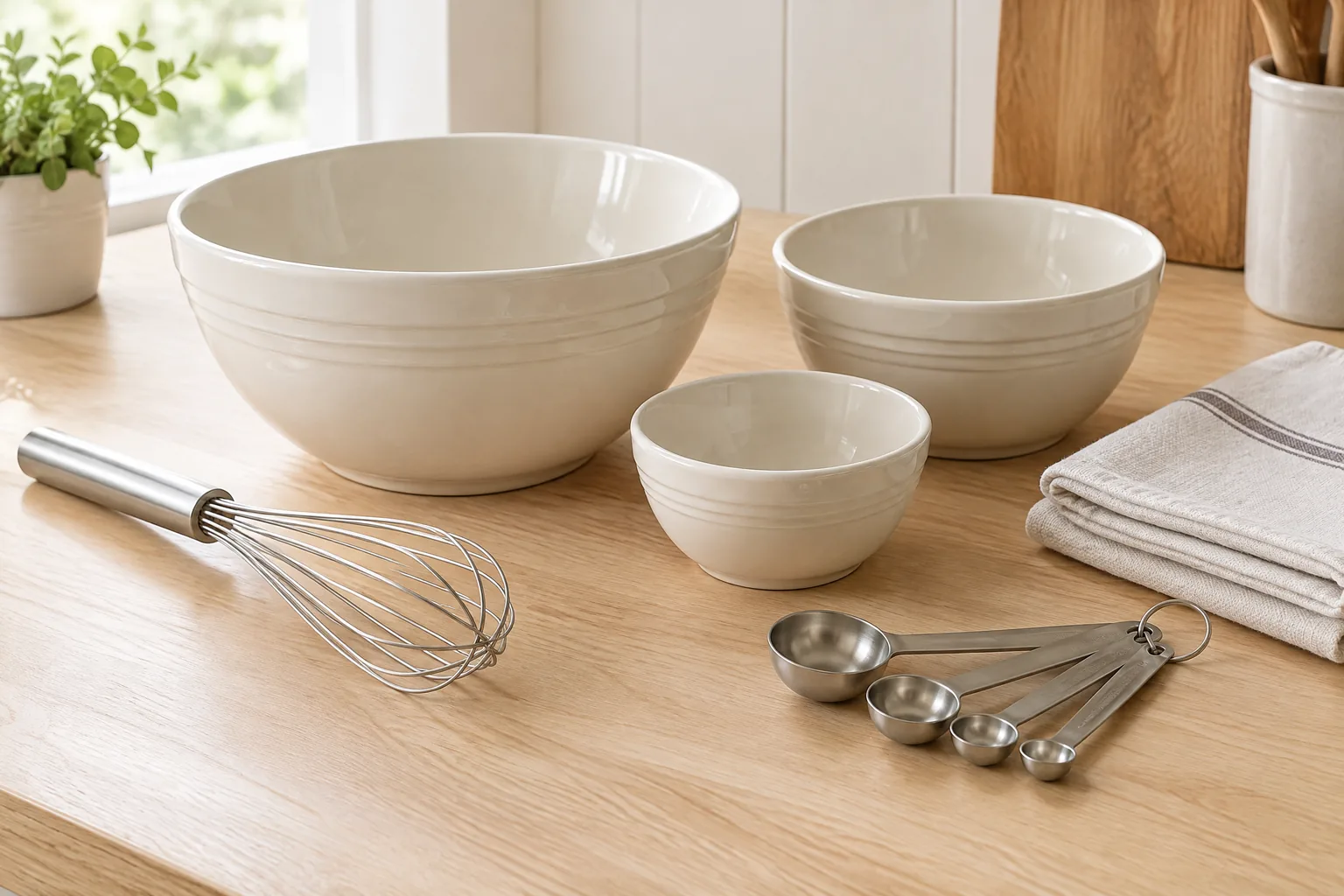
Ask how practice transfers to a small Hong Kong kitchen. Check whether the method requires a turntable, a particular scraper or a piping nozzle, and whether those tools are borrowed or yours to keep. Record the sizes rather than buying a large set in advance. A course can be excellent for an enjoyable one-off project even if you decide not to recreate its full setup at home.

Calculate the whole attendance burden
Count money, usable weekend time and the work that follows.
Build your comparison from a current written quote for the selected date. Establish what the fee covers and what costs extra, including any packaging or optional tools. Keep the course fee separate from transport, food during the outing and later practice purchases. There is no useful saving in a lower headline fee if reaching the venue or recreating the lesson makes the choice unsuitable for you.
Compare the time you will actively practise, not only the time spent inside the studio. Ask how participants share mixers, ovens and workstations. A longer session with much observation may suit a beginner who wants explanation, while a shorter targeted lesson may suit someone with a precise problem. Neither duration alone nor a small advertised group proves that you will get the feedback you need.
Before purchasing equipment, make a short inventory at home. Check your scale, bowl sizes, tray dimensions and available work surface against the recipe requirements. Ask which items are essential for a first repeat and which are conveniences. Include where you will store bulky tools. Borrowing an appropriate tool can make sense, but confirm its suitability rather than assuming every mixer or tray behaves identically.
Read the cancellation and rescheduling terms as part of the cost comparison. Establish whether a missed session loses the fee, whether someone else may attend in your place, and how a provider cancellation is handled. If you are comparing with a friend, confirm each person's participation and take-home share. One booking, one workbench and one finished product do not necessarily mean two equivalent learning experiences.
| Part of the commitment | What to record | Decision it informs |
|---|---|---|
| Attendance | Current fee, inclusions and cancellation terms | Can you accept the financial commitment? |
| Travel | Exact session venue, access and return route with a box | Does the outing fit your day? |
| Learning | Your own practice stages and feedback opportunities | Will it address your chosen problem? |
| Home repeat | Essential tools, recipe quantity and storage space | Is another attempt realistic? |
| Take-home food | Container size and item-specific storage instructions | Can you get it home as instructed? |
Plan a realistic next practice and trip home
The class ends when you leave; the useful learning continues with a manageable repeat.
Choose one element to repeat before buying ingredients for the entire design. After a macaron class, that might mean following the supplied recipe while concentrating on batter judgement. After decorating, it might mean practising one border with the instructor's suggested material. Ask what can reasonably be scaled down. Halving every quantity without checking the method may produce a different exercise from the one you intended.
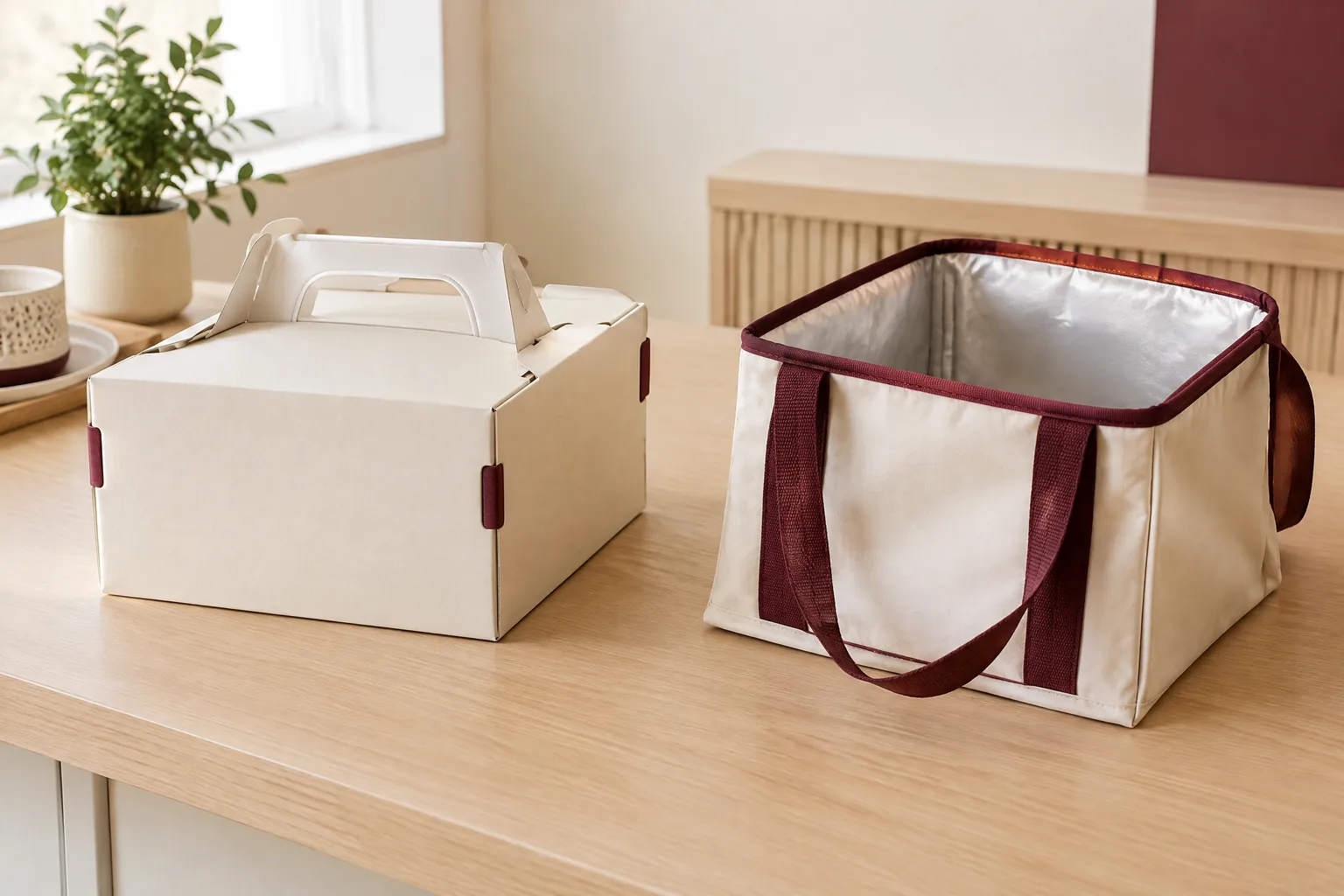
Before leaving, obtain instructions for the actual finished item: how to carry it, its storage conditions and when to use it. Ask about the container dimensions so you can plan your bag and fridge space. Keep human and pet items clearly identified if both are at home. Do not infer a shelf life from how dry a biscuit looks or from the presence of a fitted box.
Hong Kong's Centre for Food Safety states that refrigerated foods are kept at 4°C or below and notes that storage periods vary by food type. For an item requiring refrigeration, plan the journey and storage around its specific instructions rather than treating a shopping bag as temperature control. Ask whether suitable transport arrangements are needed, and reconsider an extended outing if those conditions cannot be maintained.[3]
During your next attempt, note what you changed and what happened. A photograph of batter texture or a piping result can make a later question clearer, if the provider offers follow-up support; ask whether it does rather than assuming. Judge the weekend by whether you understand your next practice better. A modest improvement you can repeat may be more valuable than a complicated result you cannot explain.

- Write one skill you want to improve and identify the stage you must perform yourself.
- Request the session-specific syllabus, teaching language and feedback arrangements.
- For pet baking, obtain the full recipe and resolve individual dietary questions before booking.
- Confirm the date, full venue details, access and realistic pack-and-leave time.
- Compare the written fee and cancellation terms with travel and essential home-practice costs.
- Arrange the take-home container, storage space and journey according to the finished item's instructions.
Choose the session that helps you understand one important process and fits the weekend you actually have. Confirm the personal practice, venue and take-home conditions before comparing fees. Keep home-equipment ambitions modest until you know what you will repeat, and keep pet-food decisions separate from enthusiasm for a recipe. A clear next attempt is a stronger result than an impressive box alone.
Can a complete beginner choose a macaron course?
Possibly, but ask about the particular session rather than relying on a general beginner label. Explain whether you have used a mixer or piping bag and ask which stages you will perform. If several unfamiliar tasks are compressed into one lesson, a more basic session may give you a better foundation. Choose macaron tuition when its pace and feedback match your starting point.
Is a pet-baking workshop a suitable surprise gift?
Only if the recipient wants the activity and can check the recipe for their animal. A surprise booking can leave too little opportunity to discuss a prescribed diet or ingredient restrictions. Give a choice of dates or discuss the idea first. Confirm whether the booking is transferable and whether the recipient is comfortable taking responsibility for the finished food.
Should I book separate Kwun Tong and Kowloon enquiries?
First ask whether the listings refer to the same venue or different sessions. Kwun Tong is within Kowloon, so the labels alone are not competing destinations. Compare the exact date, address and learning content once confirmed. Send your specialist goal with the enquiry so that a geographically convenient option is not mistaken for the course that teaches your chosen technique.
Do I need to buy a stand mixer before attending?
Do not buy one solely because it appears in a class photograph. Ask which tools are supplied during the session and what is necessary for the home recipe you intend to repeat. Check capacity and storage space before purchasing. You may decide to enjoy the lesson without immediate home reproduction, or practise a suitable component first with the tools you already own.
Will one weekend course qualify me to sell cakes or pet treats?
Do not treat attendance as proof of a recognised qualification or permission to trade. Ask what any certificate actually records and who recognises it. Selling food raises separate questions about premises, applicable rules and responsibilities that a recreational lesson does not settle. Choose the course for its stated learning outcome, not an assumed route into a business.
Send the course provider your preferred date, one learning goal and any access or dietary questions. Request the actual session scope and full arrangements before deciding whether to book.
Sources & supported claims
- King Arthur Baking: The secret to mixing macarons
Macaronage folds almond flour and confectioners' sugar into whipped meringue; the described readiness cue is a continuous ribbon merging smoothly into the batter surface.
- US FDA: Paws Off Xylitol; It's Dangerous for Dogs
Xylitol can poison dogs, may occur in some nut butters and baked goods, and requires ingredient-label checks; suspected ingestion warrants immediate veterinary contact.
- Centre for Food Safety: Food Safety Bulletin 101st Issue, Practical Tips for Food Storage with Refrigerators and Freezers
Refrigerated foods are kept at 4°C or below, and storage periods vary by food type.